The Curated Atlas

The Curated Atlas

Perfecting travel for picky people

Menu
  • Home
  • Introduction
  • English
  • Svenska
Menu

Countryside

Franschhoek – gourmet week without breaking the bank

Posted on September 30, 2024June 3, 2025 by Margaretha Finnstedt
  • Time of year: mid January
  • Temperature: 28-32 C, dry comfortable heat (but February would be more
  • Travel companion: Husband, and meeting up with local friends
  • Films/tv-series to watch before you go: I could not find anything, if you have a suggestion, please share.
  • What to pack: Daytime = flip flops or sandals and casual. Some high-end restaurants have a slightly more formal dress code, so a dress for women and a blazer for men would do the trick. 
  • Where to stay:
    • Central Franschhoek: The Belmont (budget), Le Quartier Francais (luxury)
    • Outskirts: Angala Guesthouse (mid-priced)
  • How to get around: You need to rent a car to get to Franschhoek, but while there, you can rely on Uber or take the Winetram.

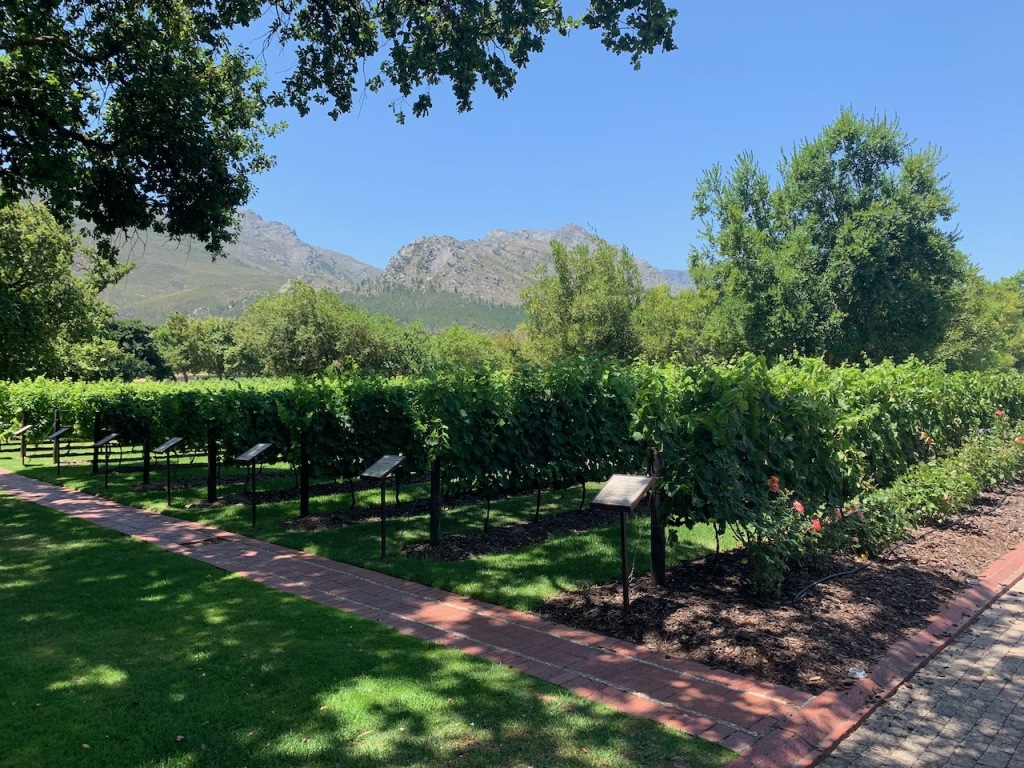
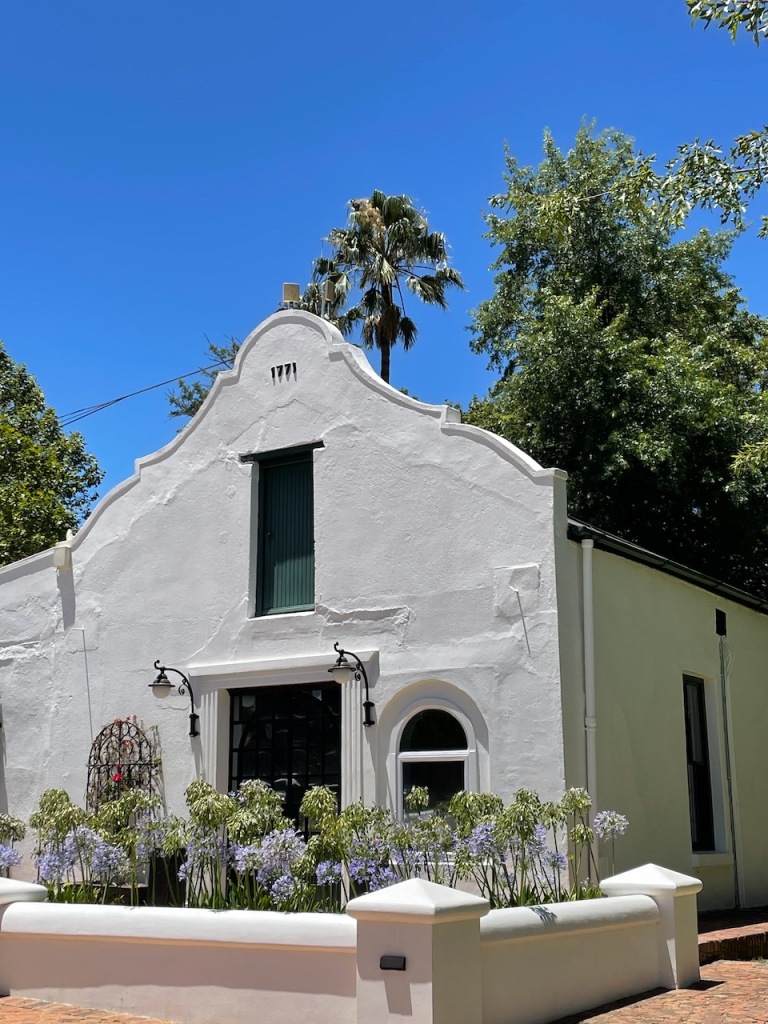
Franschhoek is my guilty pleasure, a destination I find myself returning to time and again. It’s a feast for all the senses, with stunning colonial houses and buildings nestled in lush greenery, lavender fields and mountains providing a breathtaking backdrop. This charming town boasts more gourmet restaurants, friendly locals, excellent service, and fantastic hotel experiences per capita than anywhere else in the world. If the Michelin Guide ever decided to review places in Africa, they would have a field day—and quite possibly, never leave. In addition, compared to European or American equivalents, the food and the wine is incredibly inexpensive.
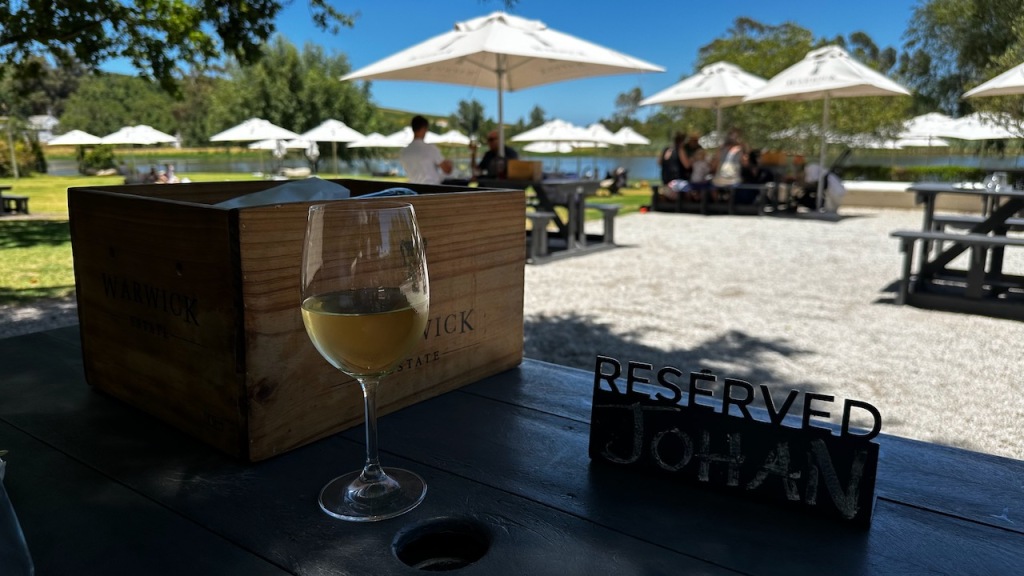
Picknick at Warwick estate

The French heritage

Many of the hotels and restaurants in Franschhoek have French names. The reason is the town’s history which is deeply intertwined with the Huguenots, French Protestants who fled religious persecution in the late 17th century. Around 300 Huguenots sought refuge at the Cape of Good Hope between 1688 and 1689. The Dutch East India Company granted them land in what is now Franschhoek. They brought extensive knowledge of viticulture and winemaking, significantly influencing the region’s development. Many of the farms and vineyards they established still exist today, contributing to Franschhoek’s reputation as a premier wine-producing area. As with all colonialism, there is a lot of darkness to the history which should not be forgotten. The local Hugenot museum tells it all.

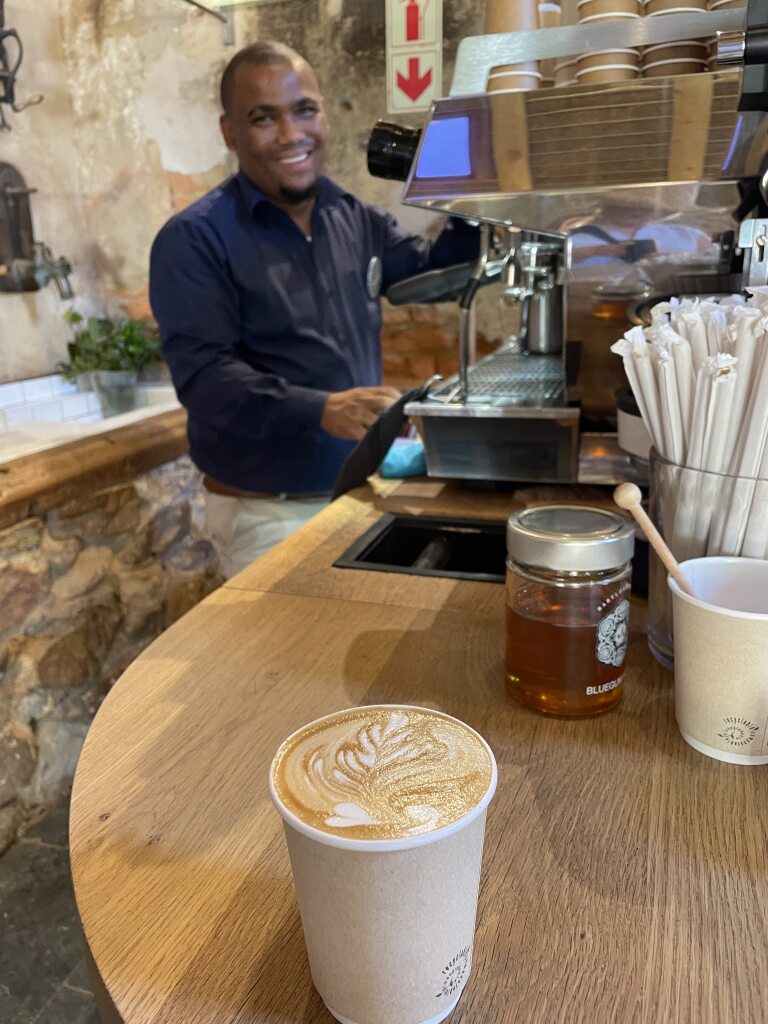
But first coffee

  • Babylonstoren – coffee perfection on a colonial farm – destination on its own – 20 min
  • Terbodore – coffee, sandwiches and cakes (and some times a real Terbodore) – downtown Franschhoek
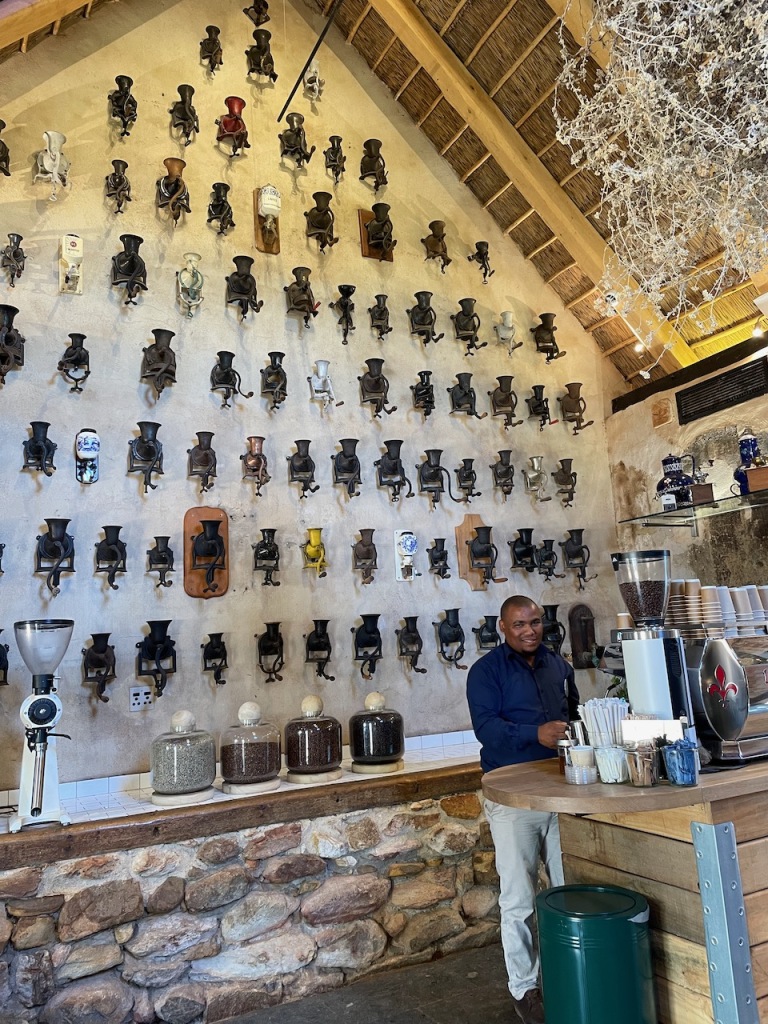
Babylonstoren
Babylonstoren
Terbodore

Three hour lunches – at least

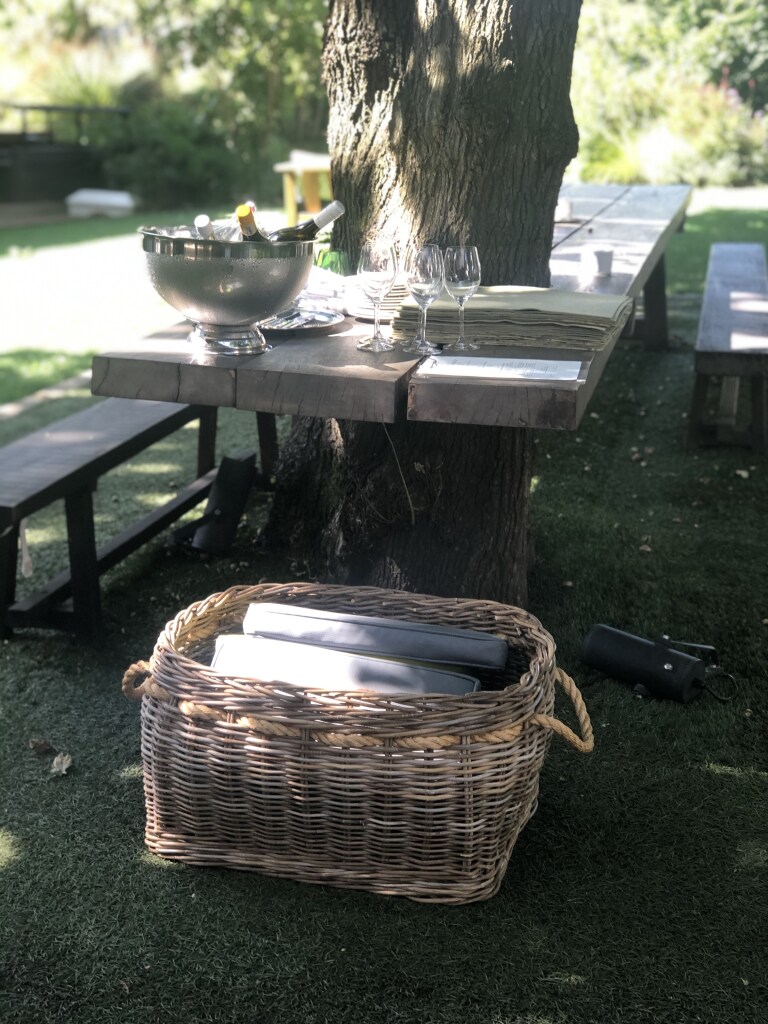
In this region, almost all wineries offer wine tastings, and roughly half of the wineries have restaurants. My friend Joanne since 30 years, a long-time Capetonian, swears by the three hour lunch sittings at the wineries, and who am I to argue. These leisurely meals are either a picnic basket lunch or a la carte, naturally paired with the estate’s wine. However, it’s wise to book in advance to secure a spot.

The wineries here vary greatly in atmosphere. Some are very family-friendly, complete with playgrounds and bean bags, while others cater more to serious wine enthusiasts and offer a more formal dining experience. I appreciate this diversity. Here are some of our favorites:

  • La Petite Ferme (great views of the valley and superb food as well as hotel)
  • La Motte (great food and surroundings, also has picknicks)
  • Leapard’s Leap (modern family style food)
  • Warwick (laid back country side style by a pond, mostly picknicks)
Evening restaurants

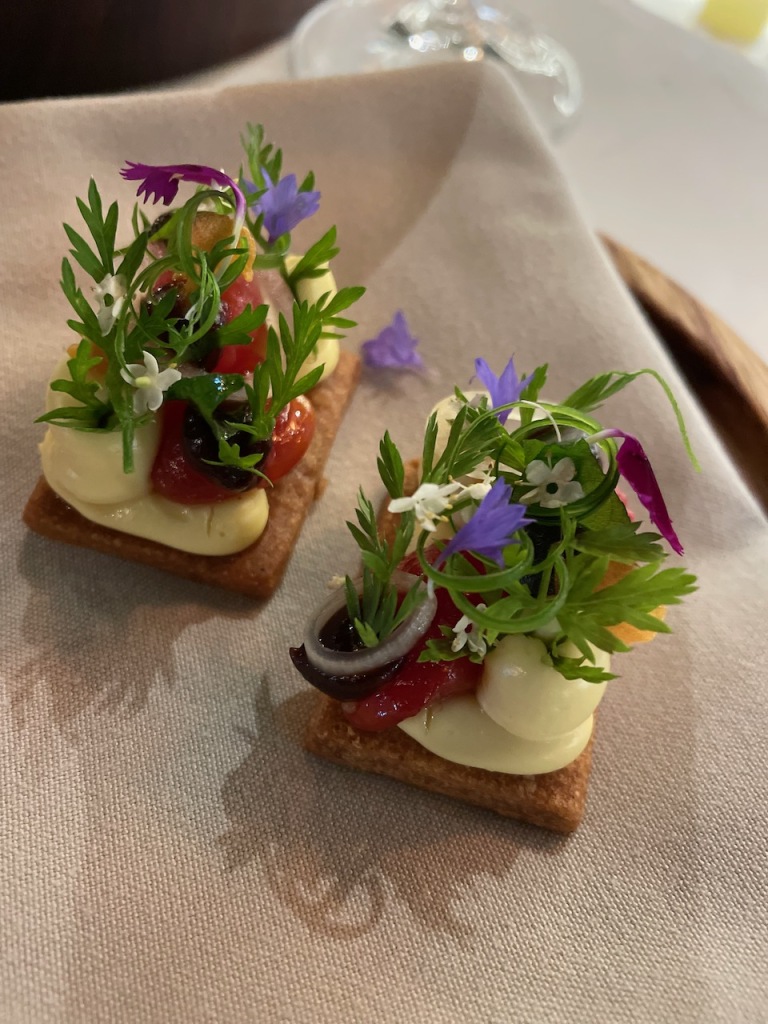
As 20 of the 76 restaurants in Franschhoek are Michelin-level, it is super difficult to point out the best restaurants in Franschhoek. What ever you decided on, you must make a reservation, well in advance. The easiest way is to use the app Dineplan. As with good restaurants anywhere, many of the establishments require a down payment to hold a table. If you would like additional restaurant reviews, go to https://gourmetguide.co.za/.  

  • Le Petit Colombe – modern elegance, FINE dining with extra treats at the end. Located at the foot of the mountain. Top notch.
  • Protogé – down town – a little fancy, a little fun – never failed us. Same owner as Le Petite Colombe but much more casual.
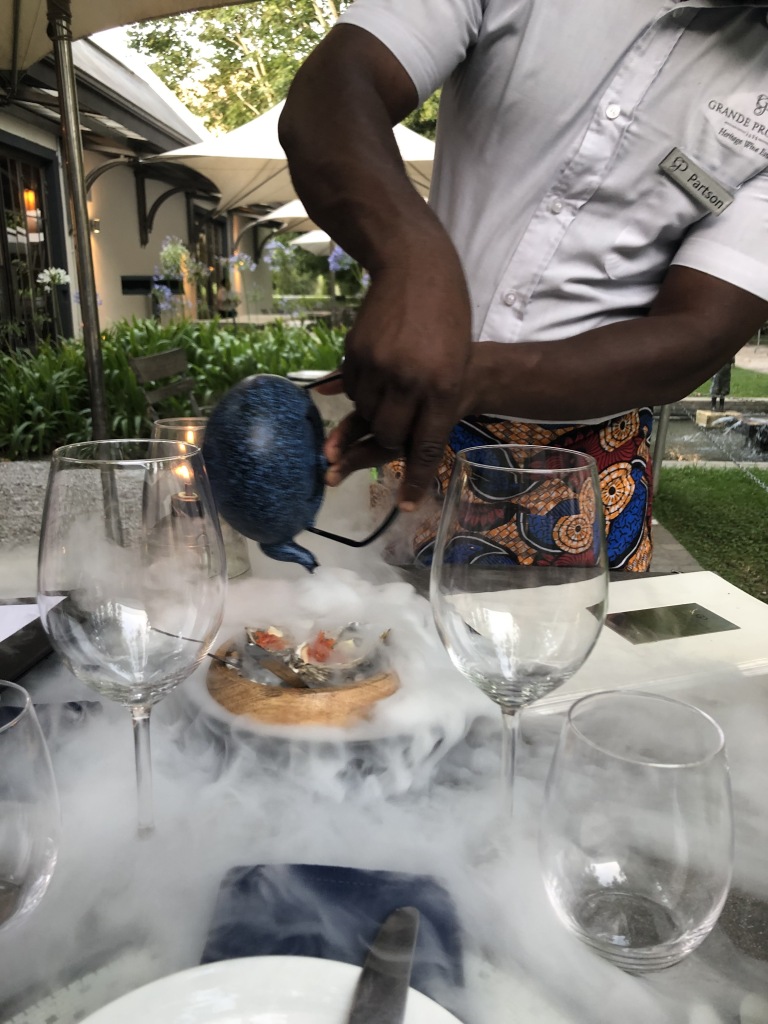
  • Grand Provence Estate – post card beautiful premises in classic style. Food is super creative and with the finest ingredients.
  • Post & Pepper (Stellenbosch) – casual with great tasting menu. A 30 min drive from Franschhoek, but worth the trip. As a bonus, you get to walk around the university town Stellenbosch with a handful of cute shops, bistros and coffee places.
Local markets

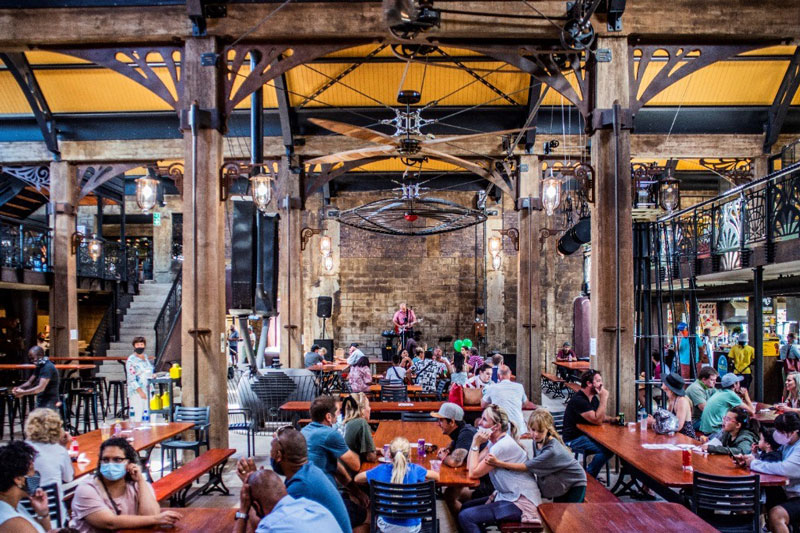
Many of the local markets in the Western Cape are a lovely mix of local handicrafts like homemade foods, jewelery, ceramics AND several food stalls and at least one bar where you can sit down for a slow lunch and listen to live music. The Franschhoek village market is no exception. Open every Saturday between 9-3. If its raining or a bit cool outside, hop in the car and drive to Elgin Railway Market, an indoor market that is hosted in an old apple warehouse, open Saturday and Sundays 9-4.  
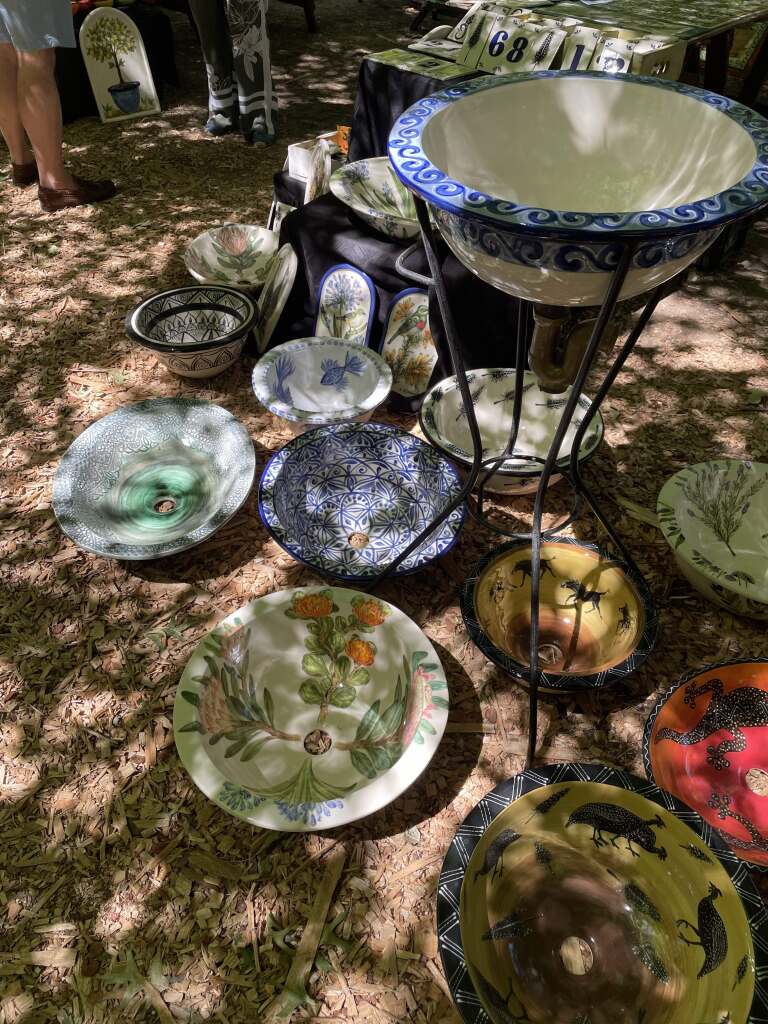
Franschhoek village market
Elgin railway market

Where to stay…

As with the restaurant options in Franschhoek, you are choosing between good, great or amazing, even with most budget level. A couple of times we have stayed in central Franschhoek to be able to walk to some of the restaurants, and equally many times we have stayed a taxi drive away to enjoy tranquility and easy access to hiking trails. (Recommendations at the top of the article.) Next time I am going to Franschhoek I hope to stay at Leeu House, Akademie Street Boutique Hotel and Guest House, Last Word, and La Petit Ferme.

Last two times we visited Franschhoek we stayed slightly outside the town in the bush, half way up the mountain at Angala Guesthouse. They define themselves as barefoot luxury hotel. Well fitting for a tranquil place with a natural pool and where the guests walk around barefoot.
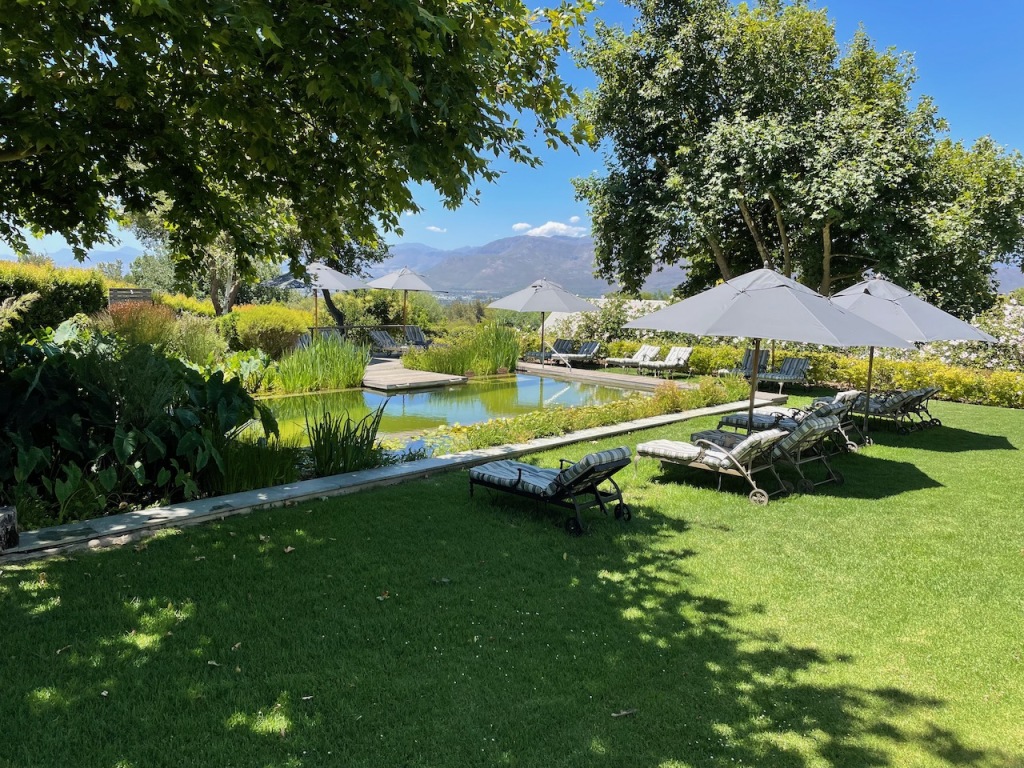
Angala guest house
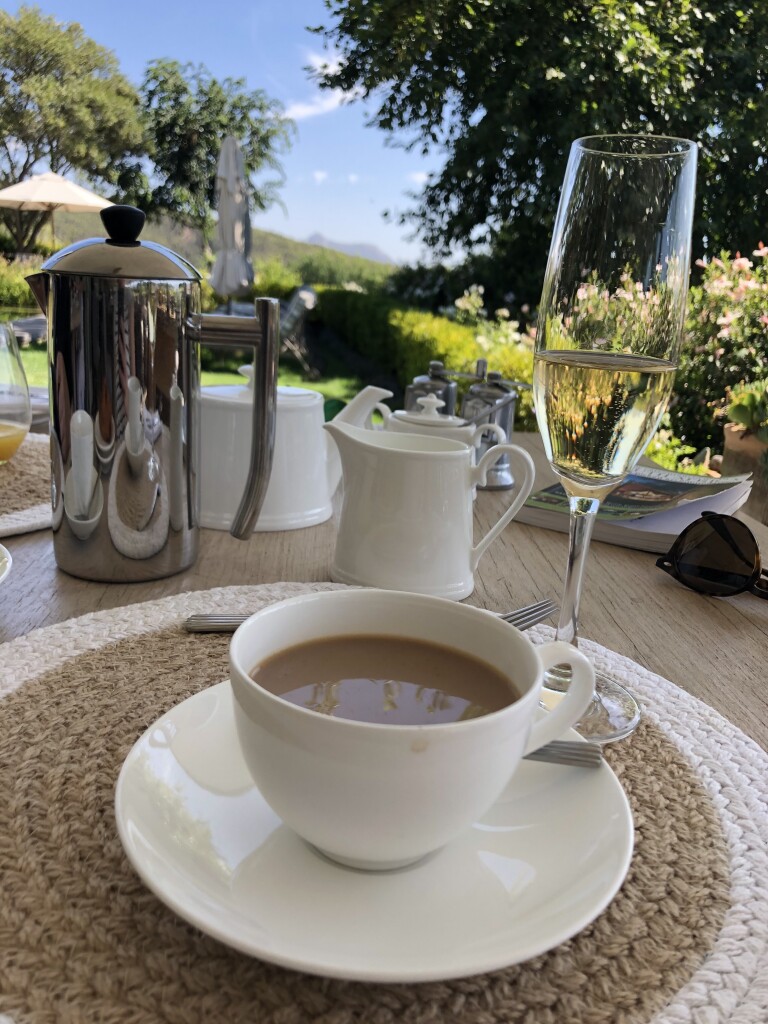
Breakfast at Angala

Worth a detour

The Hemel-en-Aarde (heaven and earth) area is renowned for its elegant Pinot Noir and Chardonnay and features over 20 wineries along a 20-kilometer route. The route winds through a scenic valley, offering stunning views of nature reserves and the South Atlantic. It consists of three contiguous Wine Wards. These wards are known for their terroirs, contributing to the distinctive flavors and high quality of the wines produced. Each ward has its own microclimate and soil composition, ideal for growing premium grape varieties.

On (almost in) the water in Hermanus, 90 minutes of scenic drive. Low key, friendly super small restaurant Perlemoen, specializing in locally sourced abalone. Great views, and so much joy to watch the brave swimmers by the pier.
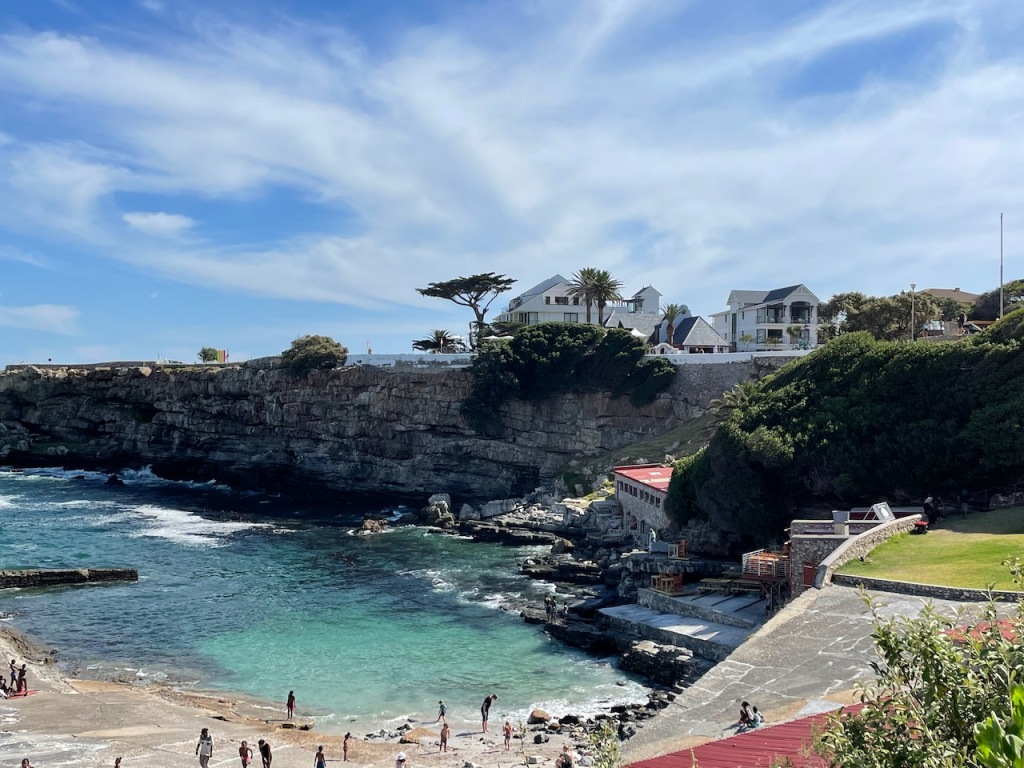
Perlemoen restaurant in Hermanus

The trips to Franschhoek took place 2024, 2020, 2016, 2015, 2012, 2008
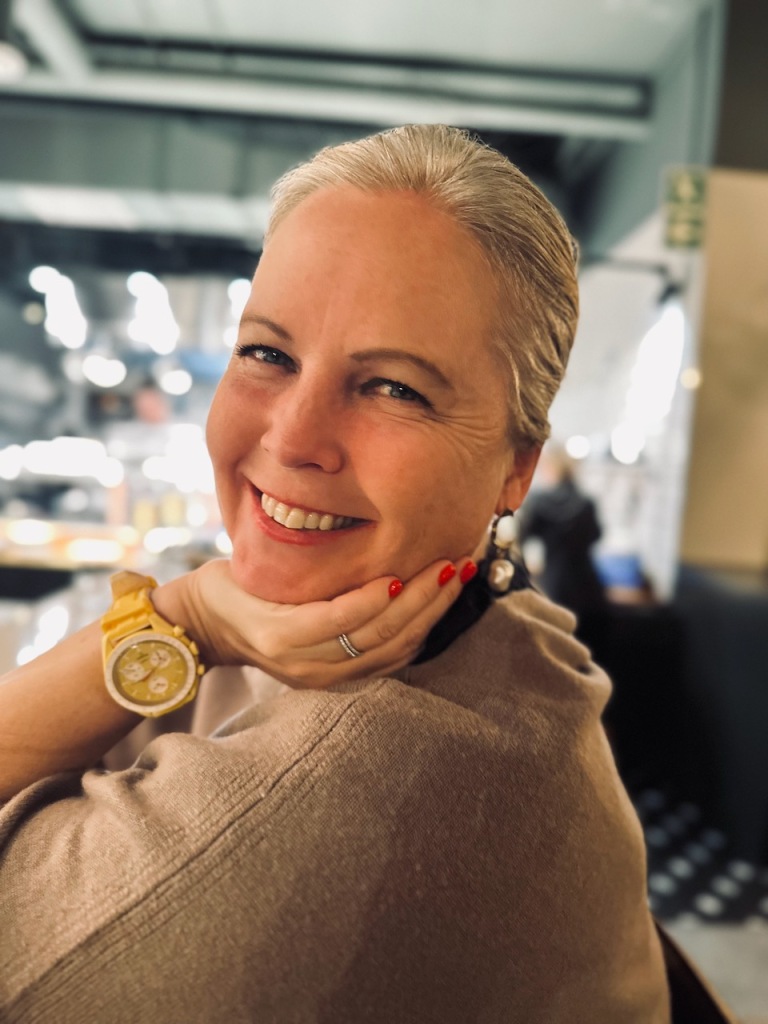
The feeling after the pork lollipops at Post & Pepper

Margaretha Finnstedt

The Curated Atlas

A spectacular blend of history and beauty

Posted on September 17, 2024February 16, 2025 by Margaretha Finnstedt
  • Time of year: 3rd weekend in October
  • Weather: Cool mornings and nights (5-10 C), warm and dry when the sun is up 28-33 C.
  • Travel companion: My friend since 1990 – native from Türkiye
  • Films/tv-series to watch before you go: The Water Diviner (2014) with Russel Crow.
  • What to pack: Layered clothing. Mornings and nights are chilly whilst the sun takes day temperatures up to 25-30. Restaurants are casual, no need for dresses or suits. (hat and gloves are needed for the balloon tour)
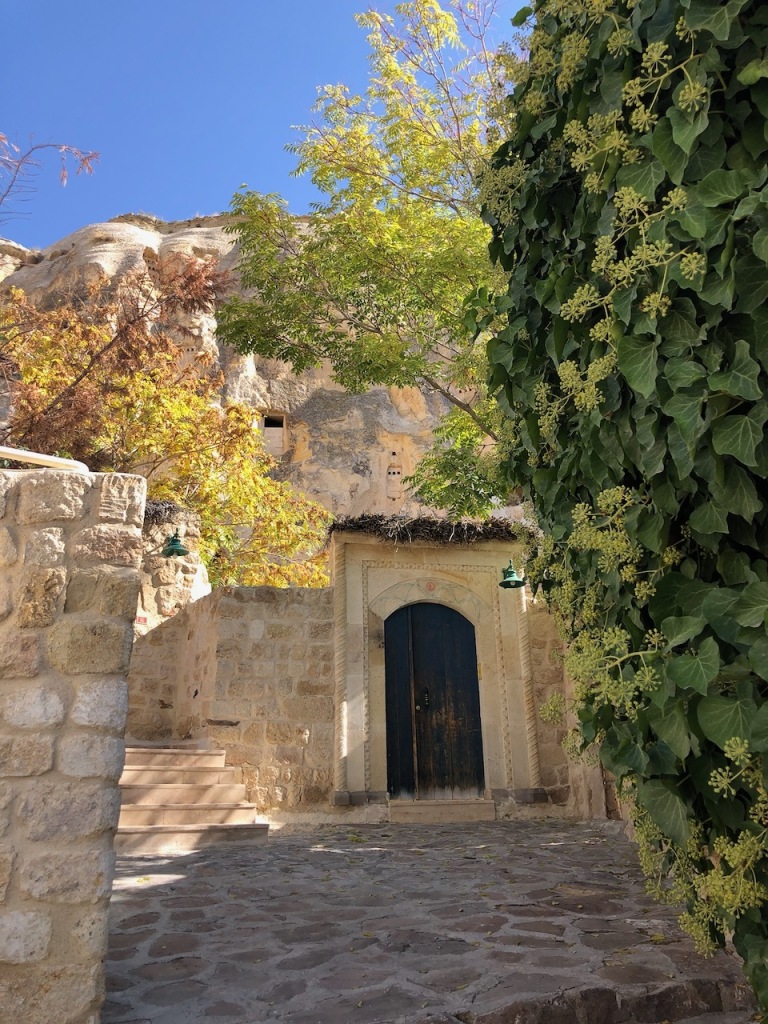
  • Where to stay:  Fresco Cave Suites , Yunak House  
  • How to get around: Argeus

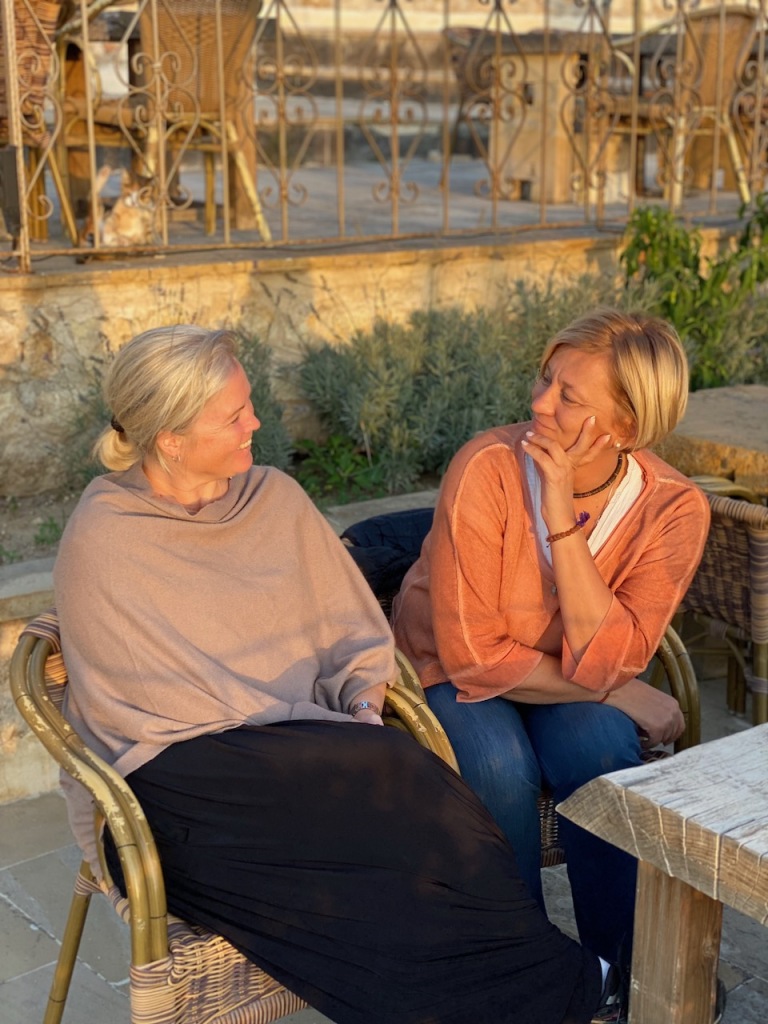
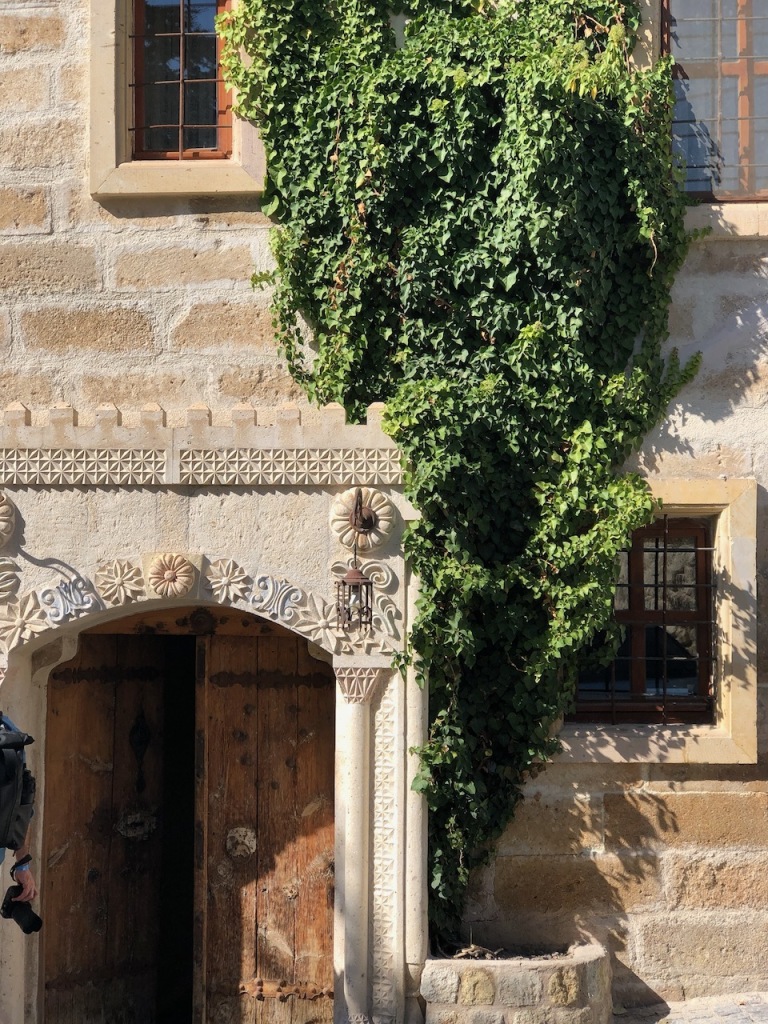
In 1990, I met my friend Ceylan during a Rotary-organized road trip across the USA. Thanks to Facebook, we reconnected digitally, and to celebrate our 50th birthdays, we decided to embark on a journey together to create new memories. Inspired by an article in National Geographic, we planned a three-day trip to Cappadocia—a fairytale-like destination in eastern Türkiye that offers both aerial adventures and subterranean explorations, where women in traditional attire and marathon runners share the same paths. One word summarizes this adventure better than anything else – spectacular.

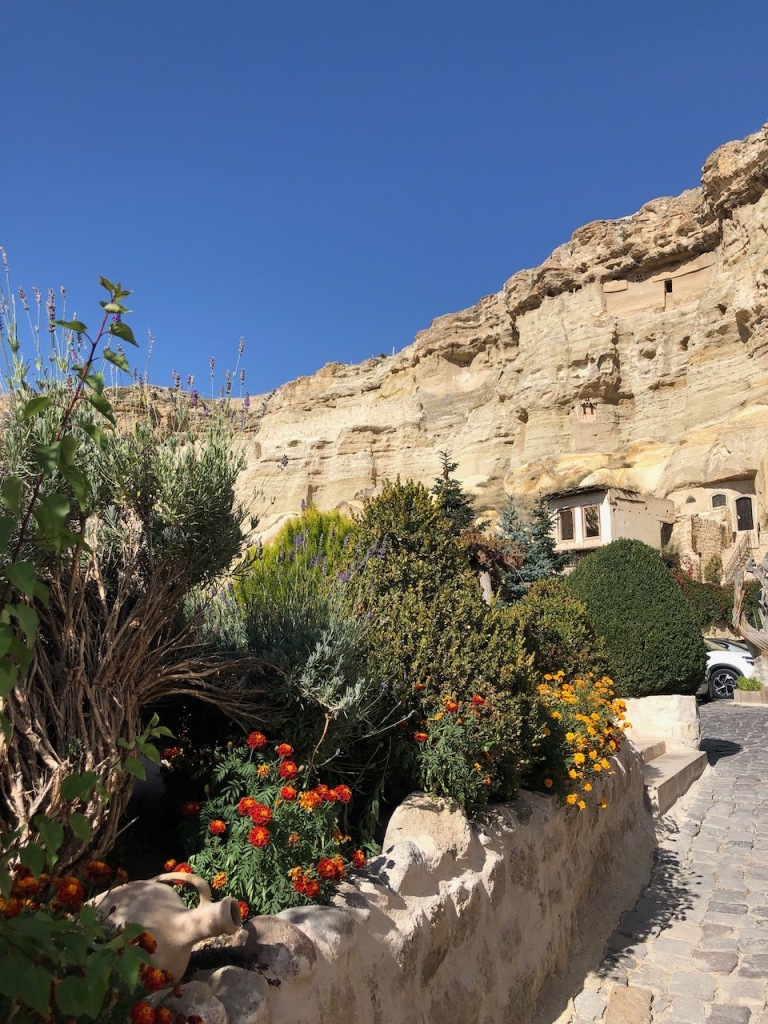
Cappadocia’s unique topography and rich historical roots make it one of the world’s most captivating regions, blending natural wonders with layers of human history that span thousands of years. Once a haven for the most daring adventurers, this UNESCO World Heritage site is now being discovered by affluent travellers seeking authenticity, history, and breathtaking views.

From ballooning 800 meter above …

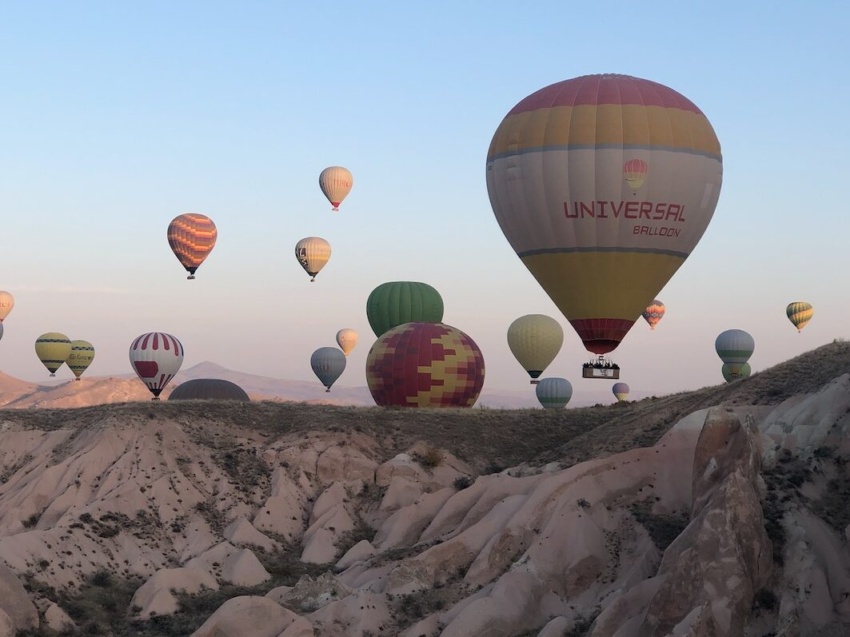
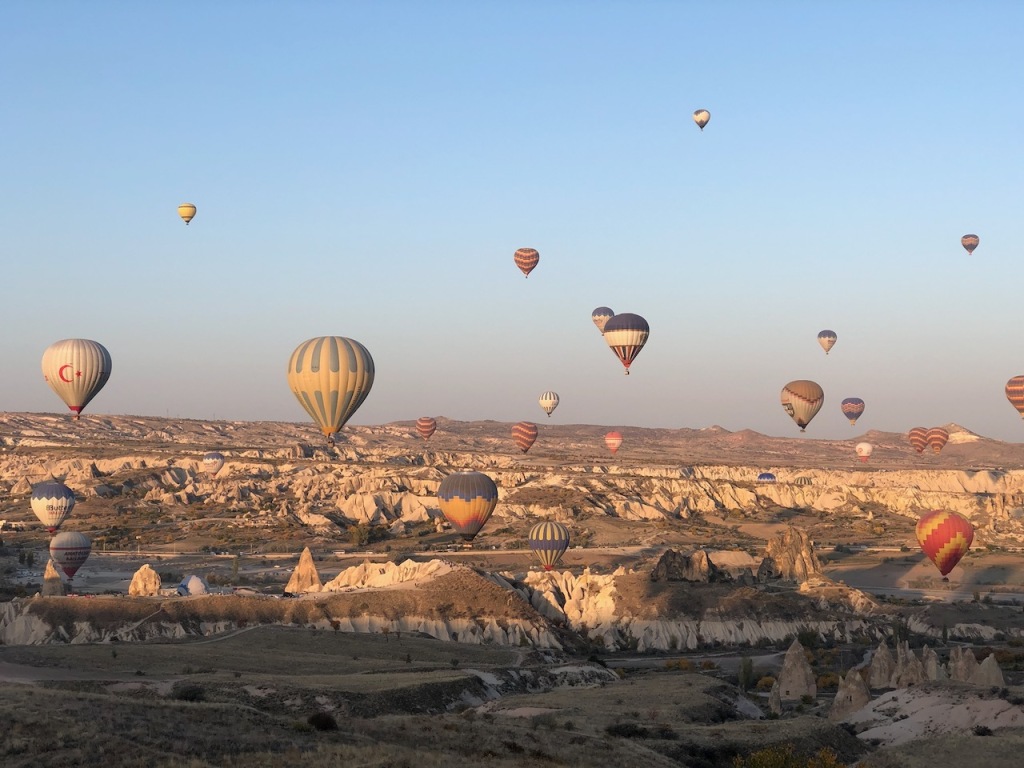
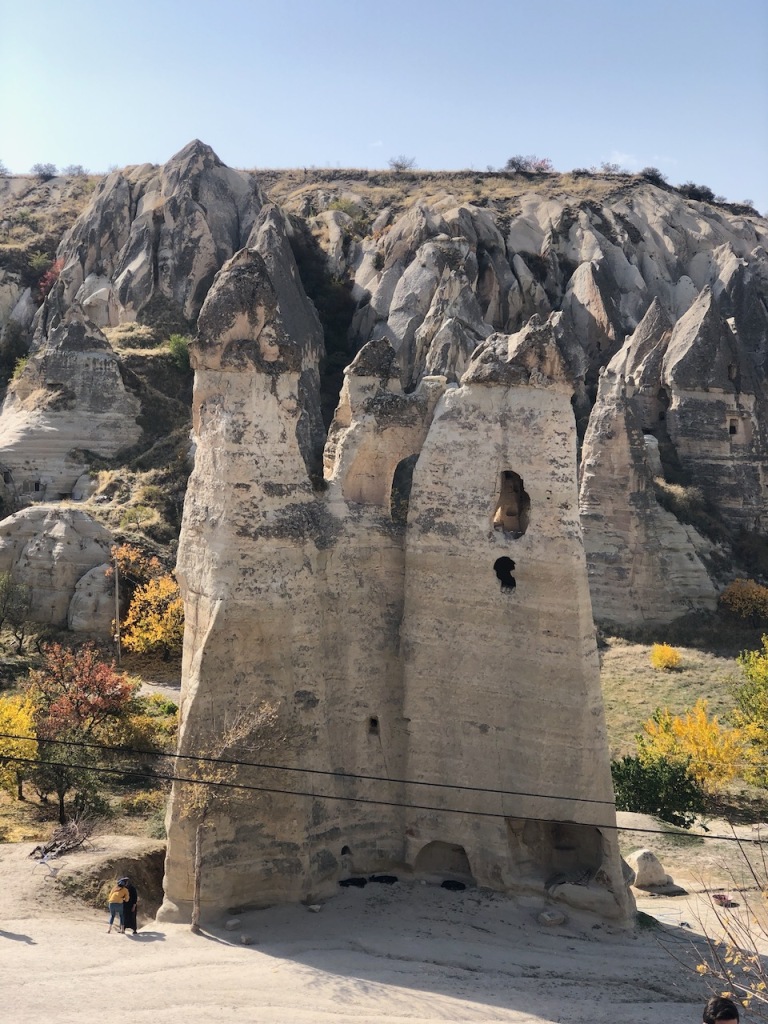
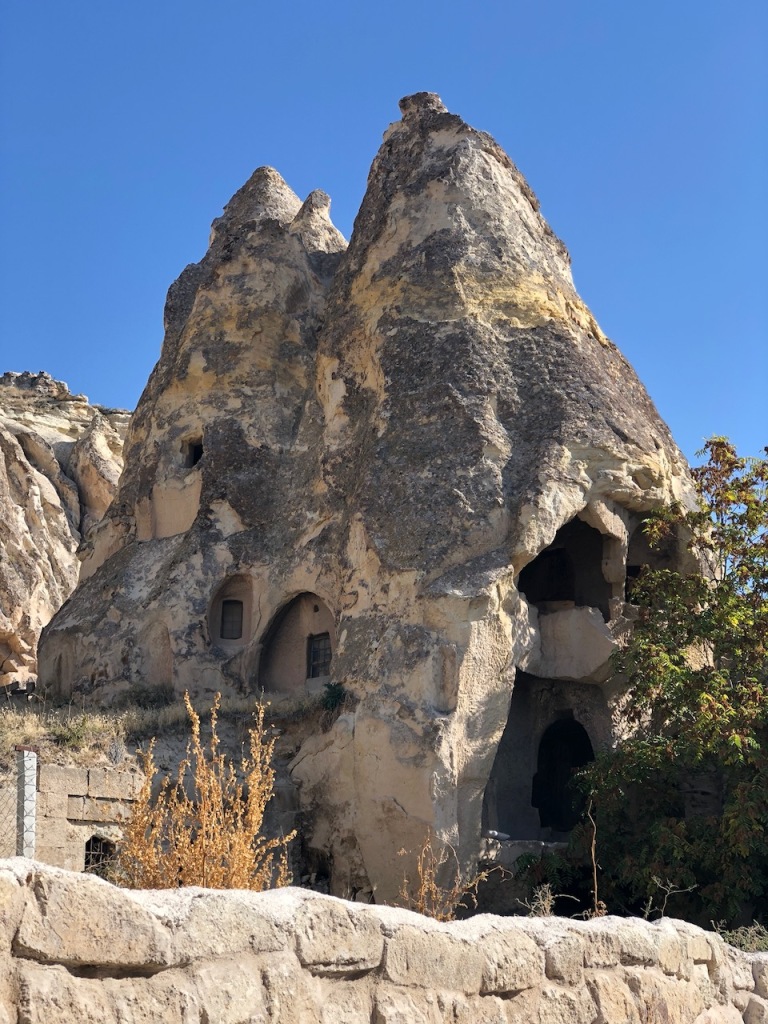
At the heart of Cappadocia lies its breathtaking, moon-like landscape, sculpted 70 million years ago by a volcanic eruption. The most enchanting way to appreciate these unique geological formations, particularly the “fairy chimneys,” is from a hot air balloon. From this vantage point, you can marvel at how the soft tuff rock, born from volcanic ash, has been meticulously shaped by wind and water into spires, deep valleys, and otherworldly rock formations. These natural wonders also house grottos that have served as homes, churches, and entire underground cities.

Not only does ballooning offer the best views, but it’s also a treat to watch the other balloons drift across the sky, piloted by skilled balloonists who can land with pinpoint precision. On the day we flew, we counted 96 hot air balloons in the air simultaneously. All balloon rides start early in the morning in the crisp, chilly air, allowing passengers to watch the sunrise from the balloon.

…To an Underground City 8 Stories Below
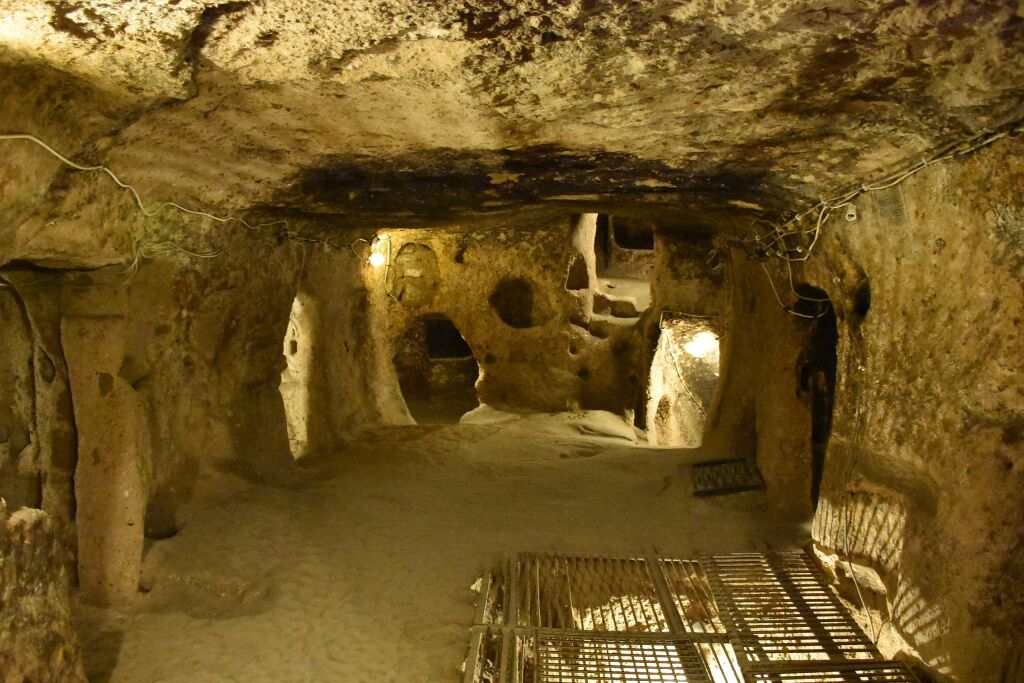
Hidden beneath the bustling market stalls selling souvenirs and carpets lies Kaymaklı, an ancient underground city dating back to the 7th century BC. As one of 36 such cities in Cappadocia, Kaymaklı is a subterranean marvel featuring intricate networks of living quarters, chapels, and daily life facilities, spanning up to eight levels deep. These underground cities provided refuge well into the 20th century during the Ottoman Empire’s persecutions. Rediscovered in 1963 when a local resident stumbled upon a concealed room, these hidden wonders are now open to the public, inviting you to explore their labyrinthine depths.

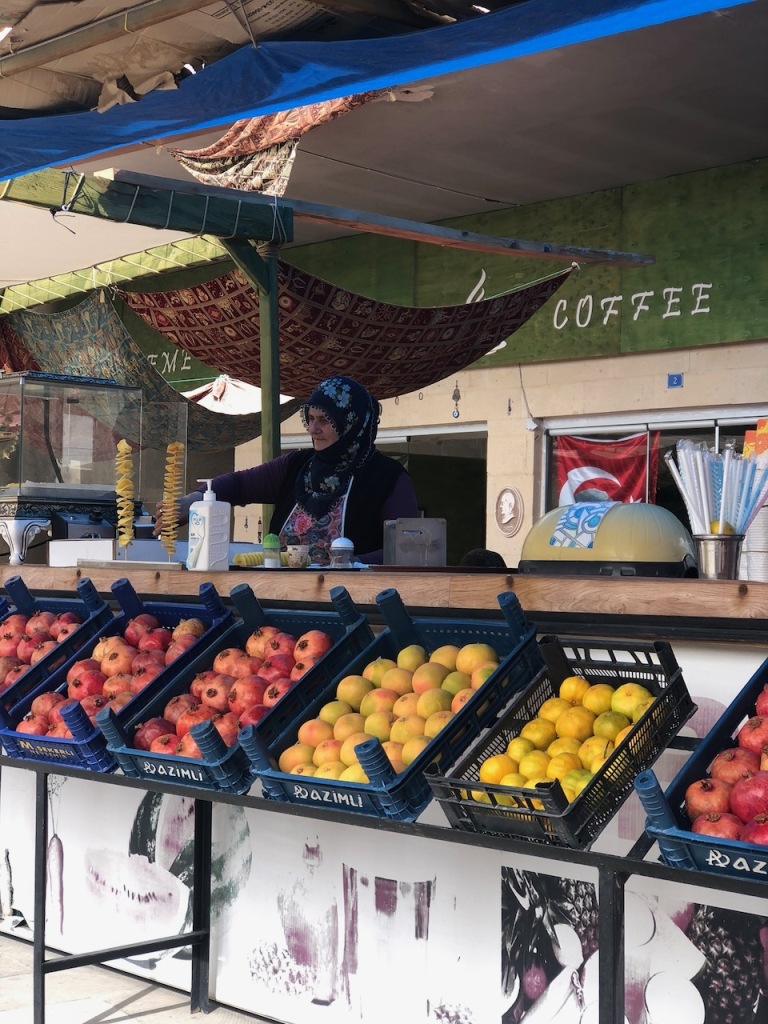
A word of caution: at 167 cm (5’6″), I found many of the passages low and narrow. Once back in the open air, refresh yourself with freshly squeezed pomegranate juice from a nearby stall before diving into carpet shopping.

Tokalı Church: A Feast for the Eyes

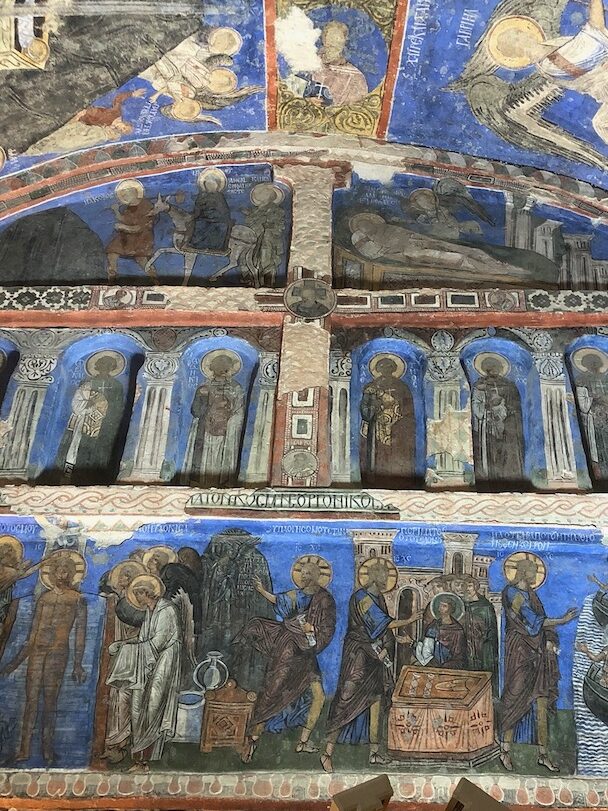
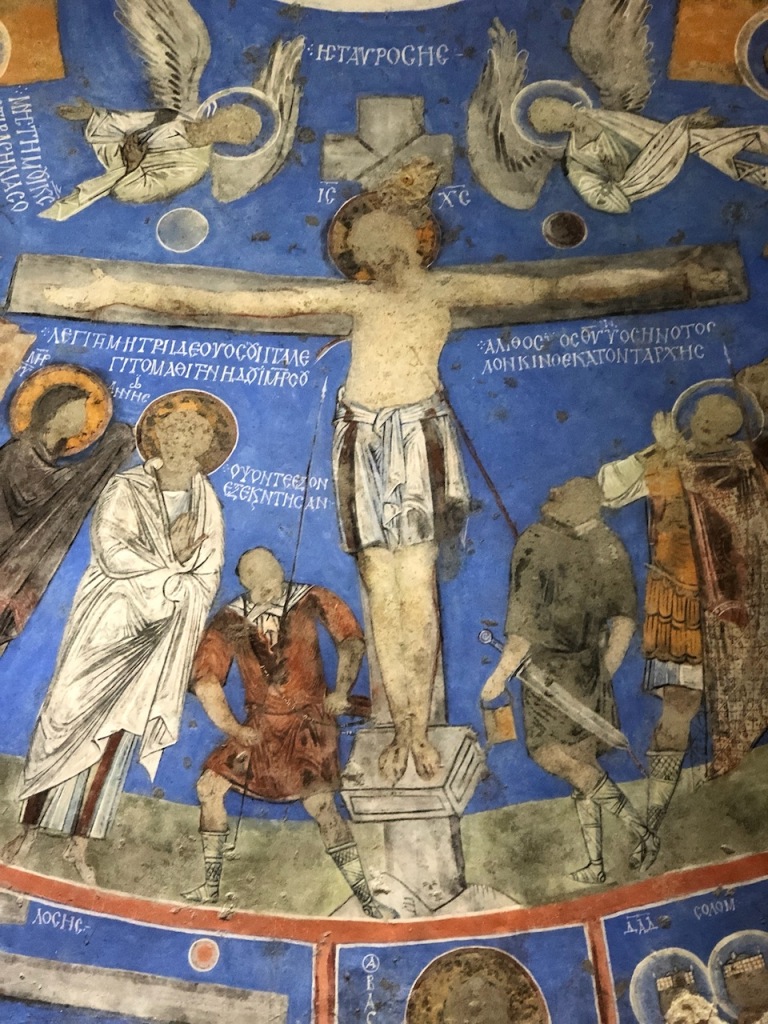
If your appetite for ancient history isn’t yet satisfied, make a stop at Tokalı Church, also known as the Buckle Church located in the Göreme National Park. Dating back to the 10th century, this church is the crown jewel of Cappadocia, renowned for its stunning, well-preserved blue frescoes. The frescoes are described in detail by Cappadociahistory.com.

Carpets Fit for Royalty

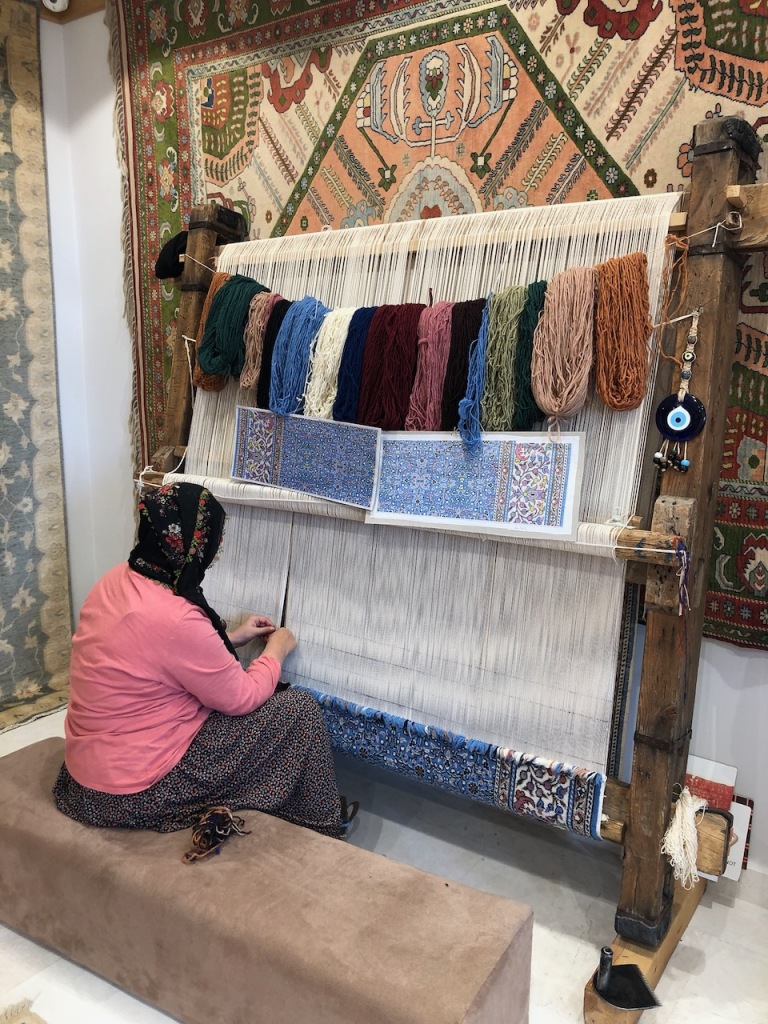
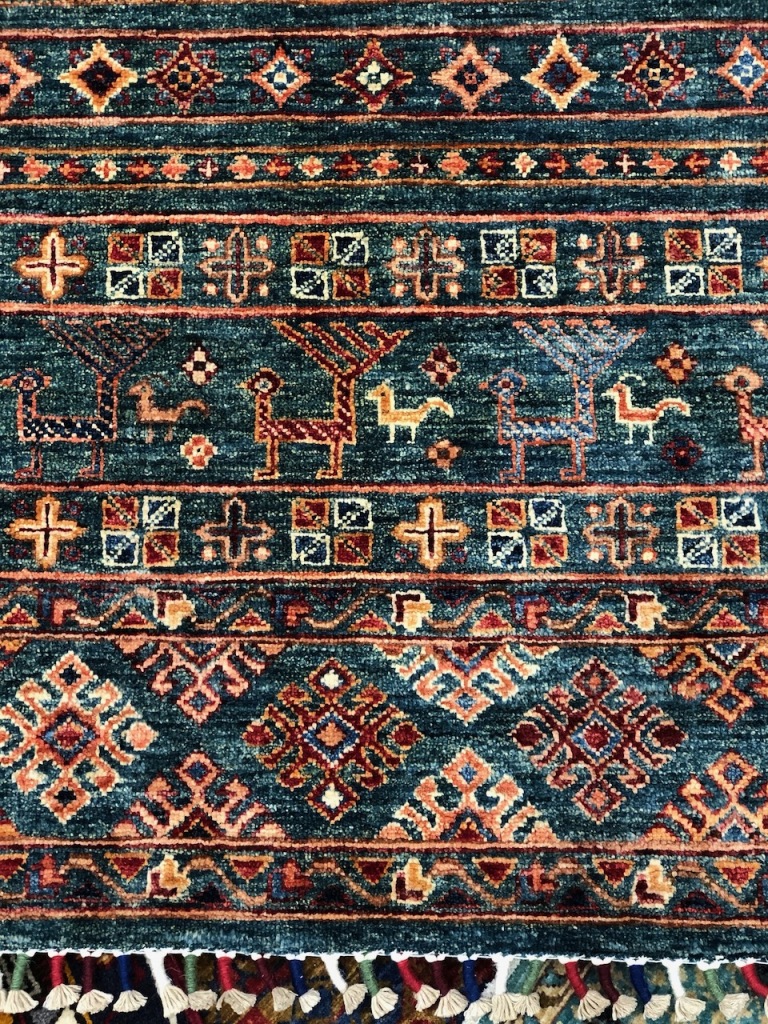
Today’s Cappadocia invites visitors to indulge in Turkish delicacies and craftsmanship, particularly carpets. In Ortahisar, we visited a store where, according to the owner, they had secured carpets for Buckingham Palace. I ended up purchasing a beautiful carpet for my office, which now lies under my feet as I write this.

Culinary Delights

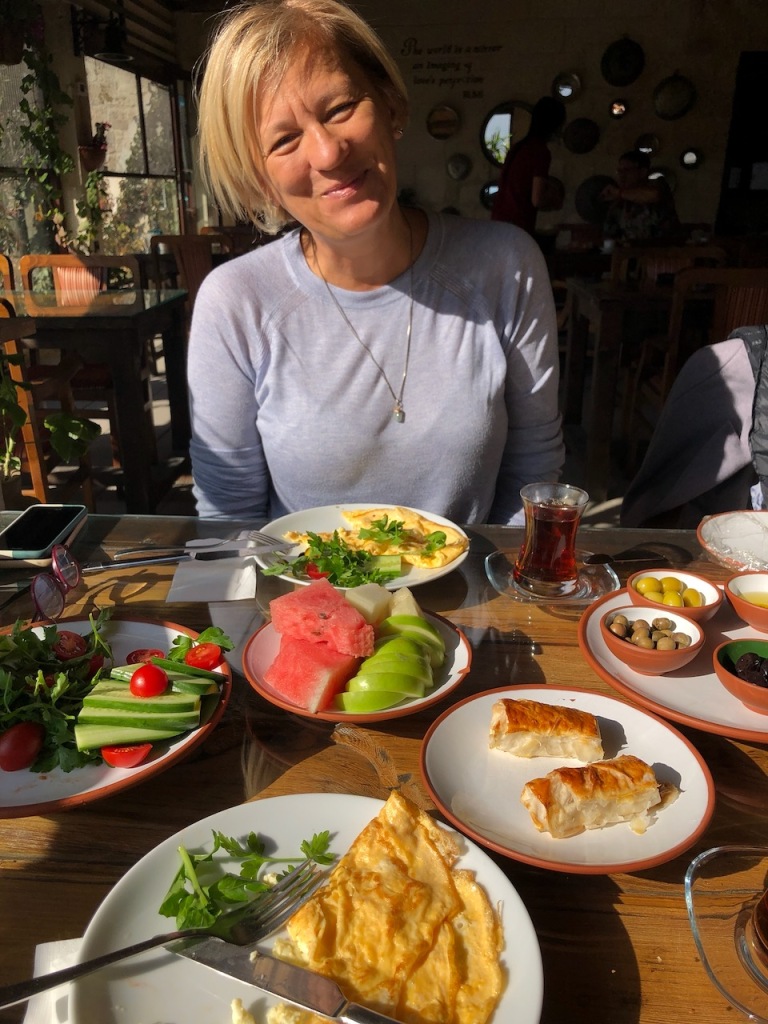
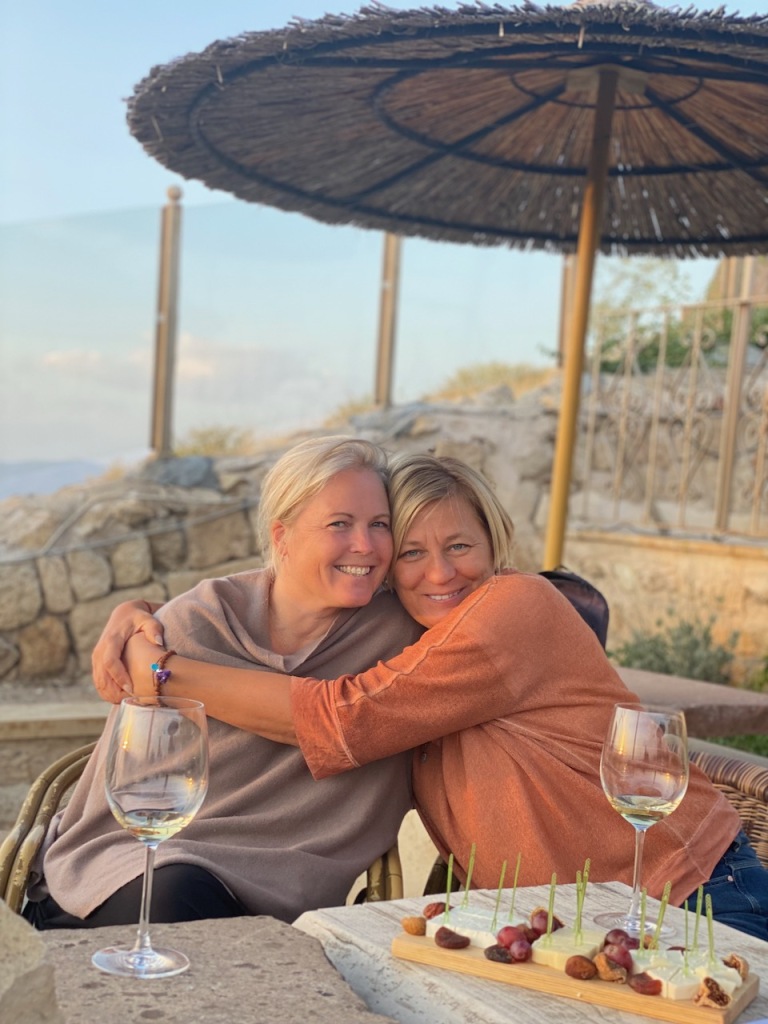
Reconnecting with a friend I rarely see, we savored long breakfasts and dinners. Turkish breakfasts are a delight, offering a vast array of fresh fruits, vegetables, and bread. Typical Turkish dinners feature grilled meats with fresh vegetables—what’s not to love? Wine? Of course, the local wine named Turasan, that grows on volcanic terrain. We enjoyed the relaxed vibe at Ziggy Café, the stunning view and local wine at the wine bar Asim’in Yeri, and a leisurely lunch at The Old Greek House in the quaint town of Mustafapaşa, a village elected as UNTourism best tourism village

This trip was made October in 2021. We stayed at Fresco Cave Suites.

Margaretha Finnstedt

The Curated Atlas

Verona vibes – midnight opera and e-biking through the vineyards

Posted on August 29, 2024February 16, 2025 by Margaretha Finnstedt
  • Time of year: 3rd weekend of August
  • Weather: Sunshine and 28-33 C
  • Travel companions: Three picky wine interested couples 50+
  • Films/tv-series to watch before you go: Letters to Juliet (2010), not for the story, but to catch a glimpse of the city
  • What to pack: Sunscreen, hat, shorts and t-shirt for biking, formal dress for the opera
  • Where to stay: Relais a Ponte Pietra (super comfy budget with large rooms and breakfast served in your room), Vista Verona (luxury)

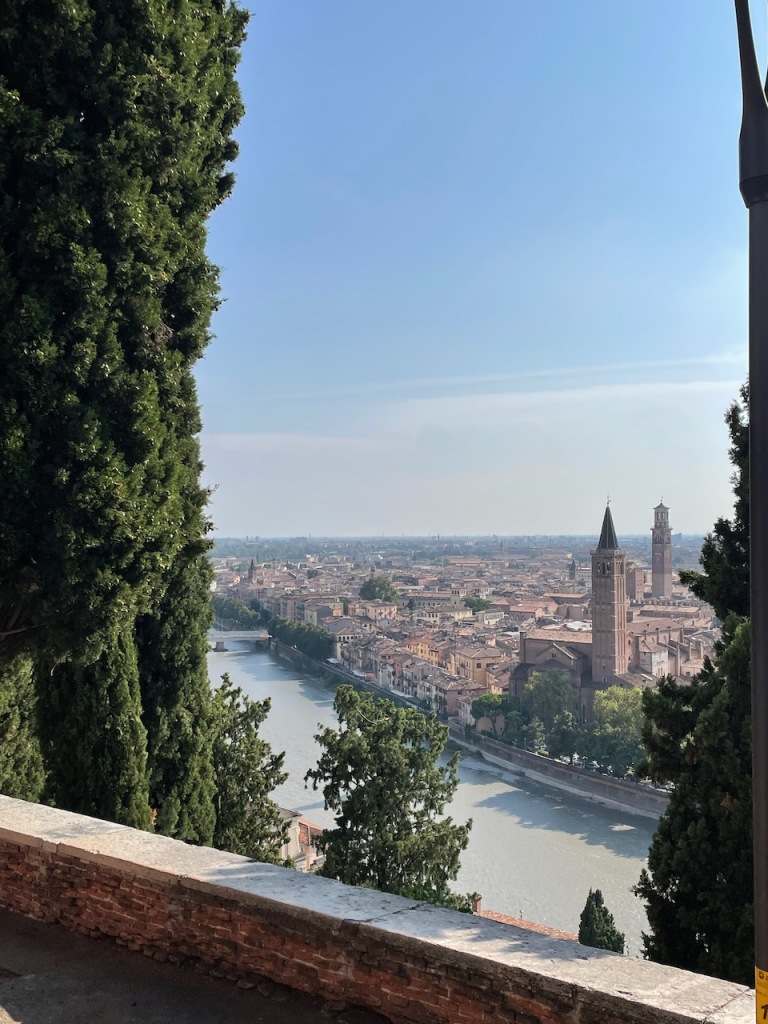
If Naples embodies charming chaos, Verona is its poised counterpart. As you step into this ancient city of approx. 300,000, with its roots stretching back over 2,000 years to Roman times, you’re immediately struck by its elegance and historical depth. A UNESCO World Heritage site nestled on the banks of the Adige River—Italy’s second-largest—Verona echoes the splendor of Florence but with a quieter, cleaner, and less hurried vibe. It’s easy to see why Shakespeare set his tragic love story, Romeo and Juliet, in this timeless city. With more than 500 vineyards dotting the surrounding hills, it’s impossible not to fall in love with Verona and its scenic beauty.

Our primary draw to Verona was to experience an opera at the iconic Arena, but we found just as much joy e-biking through the rolling vineyards of Valpolicella. Combining these exceptional experiences with Verona’s stellar food and wine scene made this weekend one of our all-time favorites.

The midnight opera – 9 PM-midnight

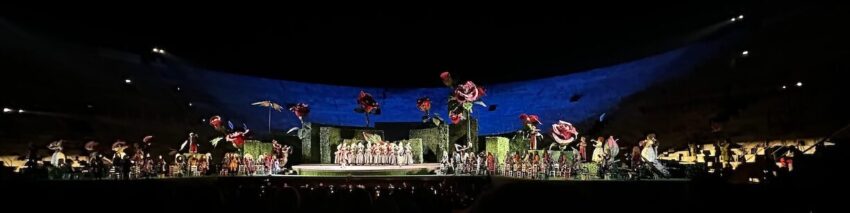
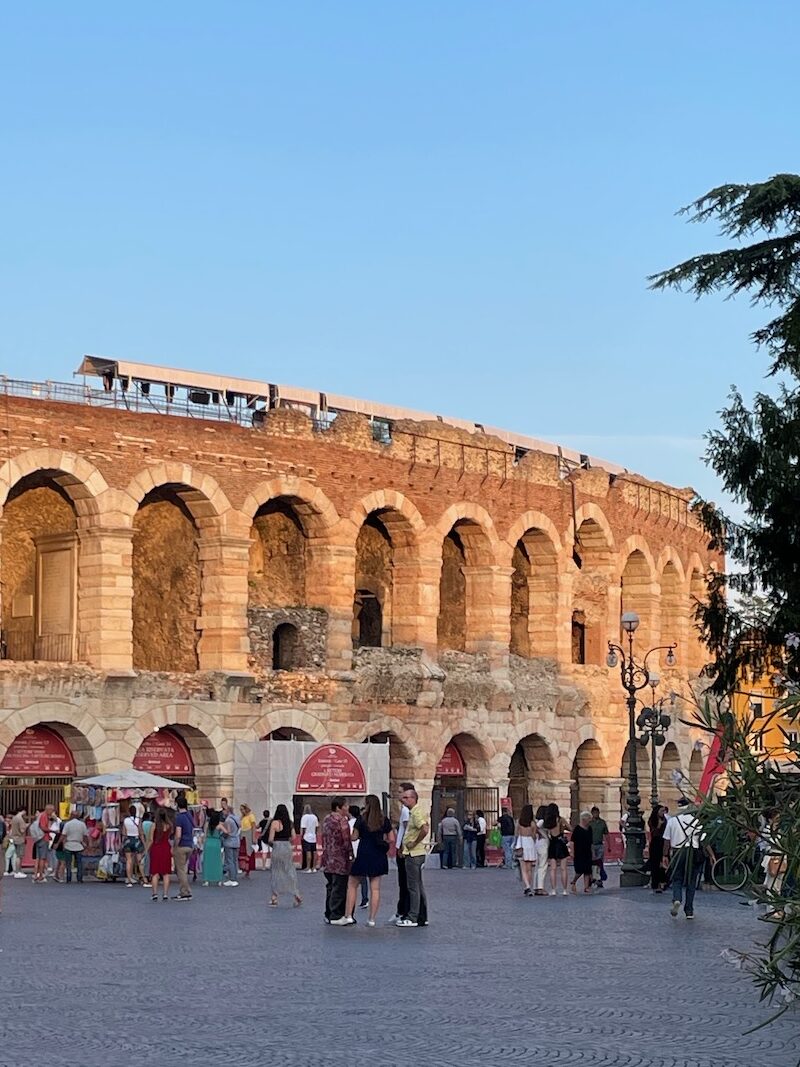
Verona’s Arena, an amphitheater dating back to 30 AD, is a marvel of antiquity and a testament to Roman engineering. Hosting over 15,000 opera enthusiasts, it’s crucial to book early if you prefer padded seats close to the stage. Those who wait too long might find themselves with a true Roman experience—sitting on stone benches far from the action.

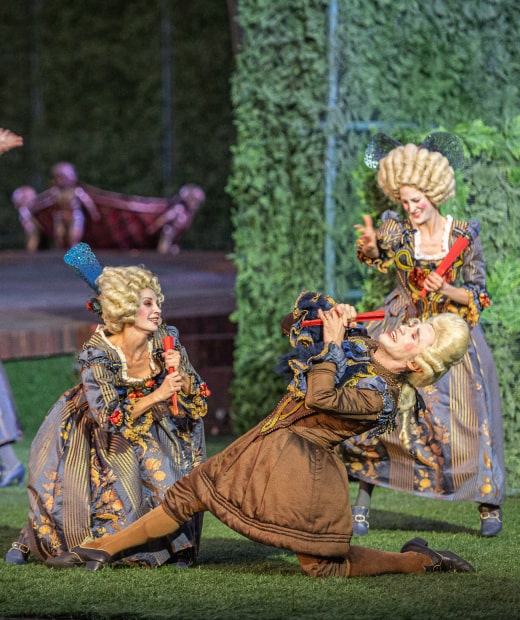
Seated in the 17th row, we were perfectly positioned to enjoy The Barber of Seville, enhanced by a full ensemble of dancers who took advantage of the expansive stage, offering a spectacle beyond what any traditional opera house could provide. Despite the heat, temperatures lingering around 27°C, the audience in the Poltronissime (first sector stalls) was immaculately dressed, adding to the evening’s grand atmosphere.

During intermission, guests can stretch their legs and enjoy refreshments in the ancient corridors, a surreal experience that marries two millennia of history with modern indulgence. With its efficient entrances and exits, the Arena’s organization is remarkable, allowing the vast audience to enter and leave with ease.

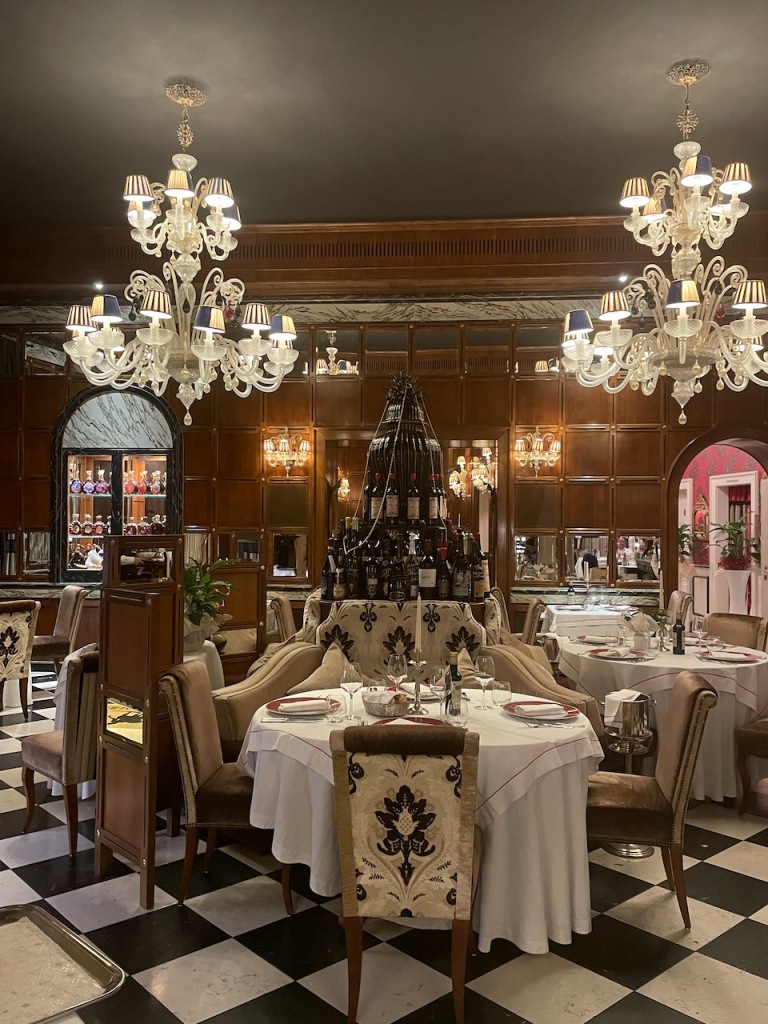
For dinner before the opera, Ristorante Vittorio Emanuele offers the perfect vantage point to watch elegantly dressed opera-goers pass by while sipping on a chilled Soave or a refreshing limoncello spritz. Reservations are a must if you want to secure a front-row table in the outdoor section. Inside, the restaurant’s decor transports you back to late 19th century—simply stunning.

Biking the vineyards

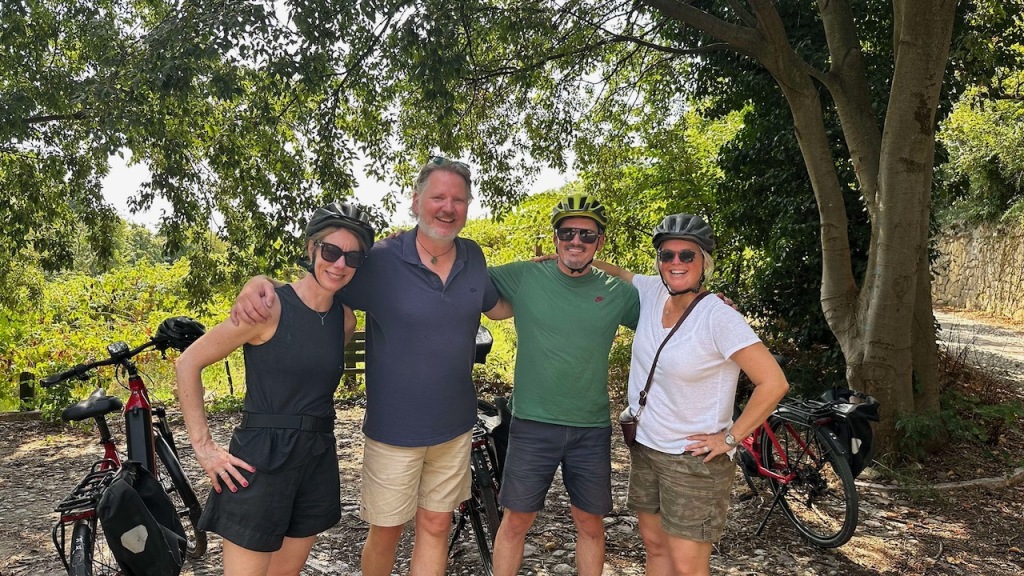
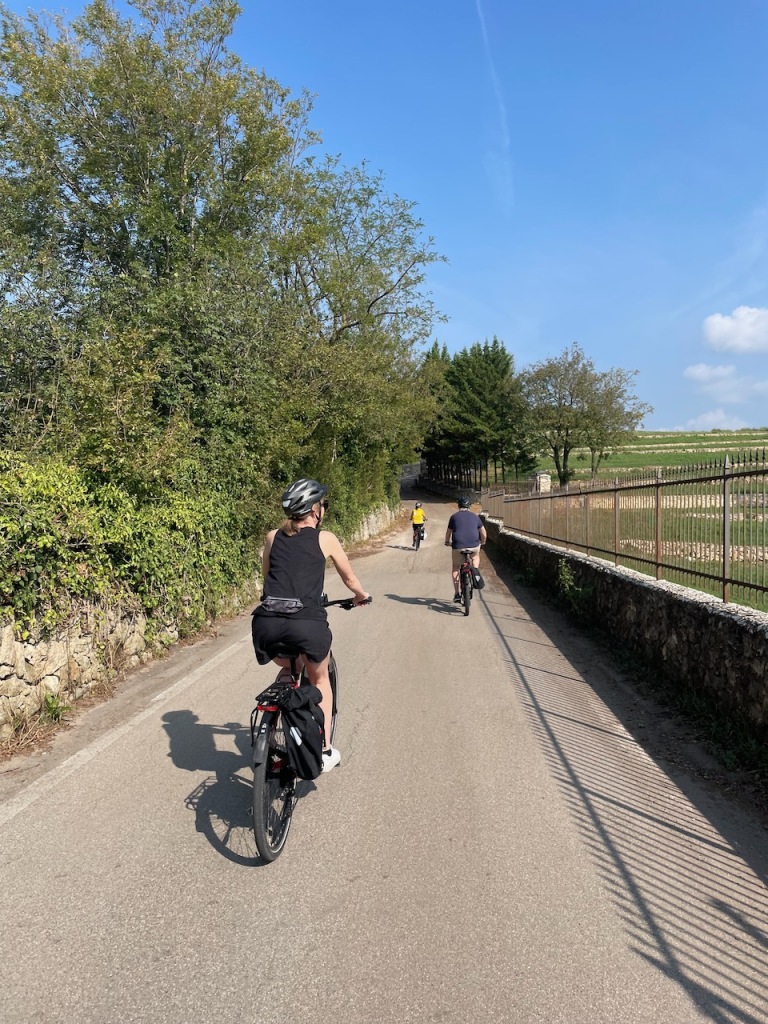
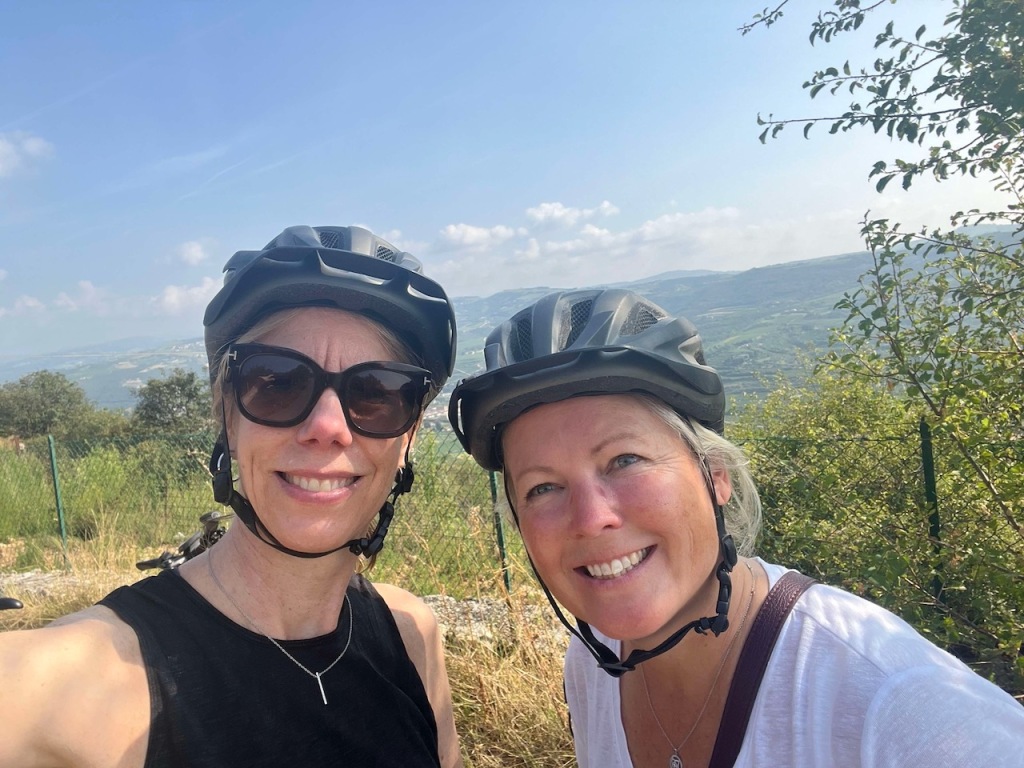
Originally, we hadn’t planned on biking, but with temperatures soaring to 30°C, the idea of walking through the city became less appealing. Enter Itinera Bike & Travel, an e-bike tour company offering guided rides through the vineyards with a sommelier. What better way to explore?

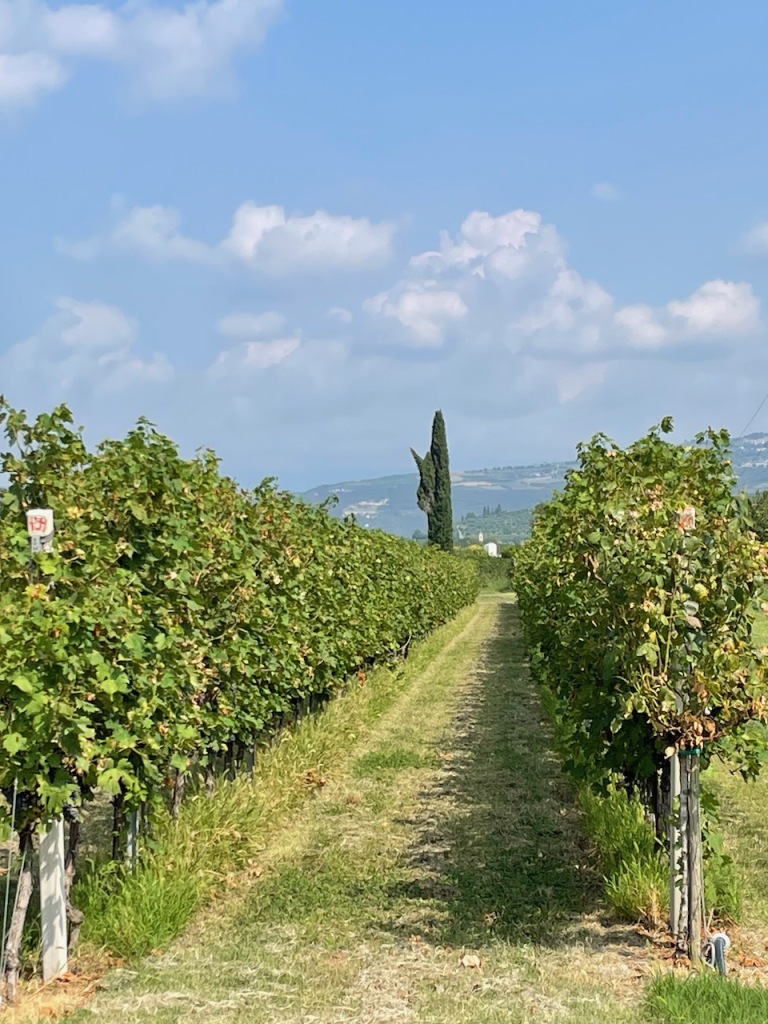
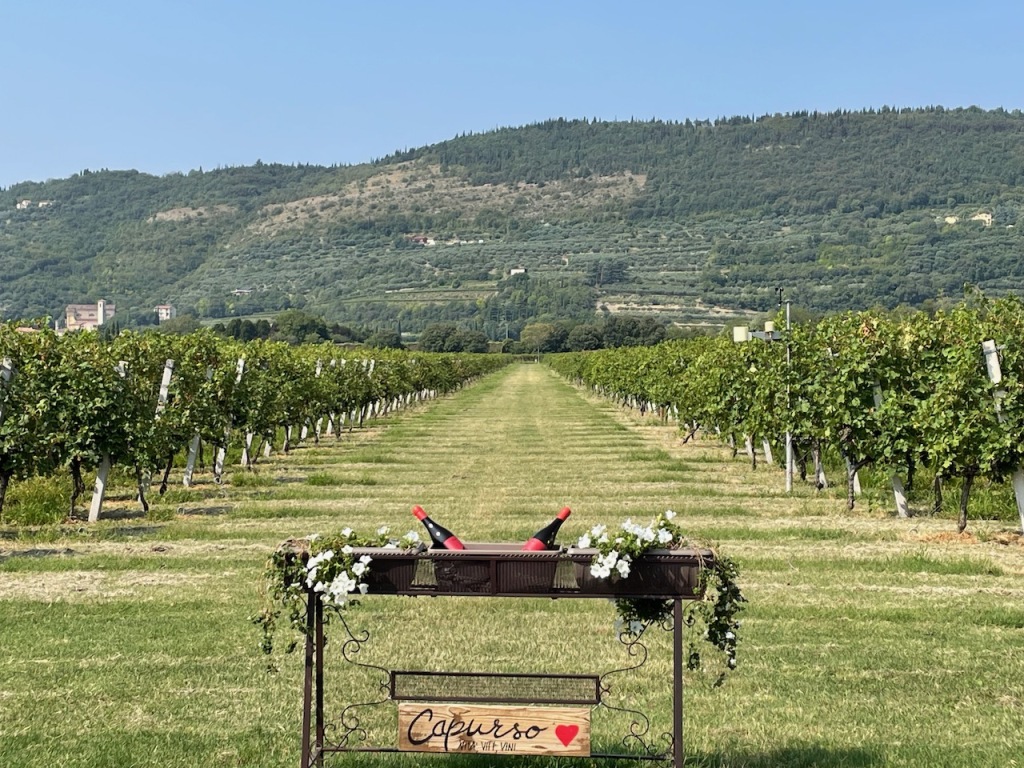
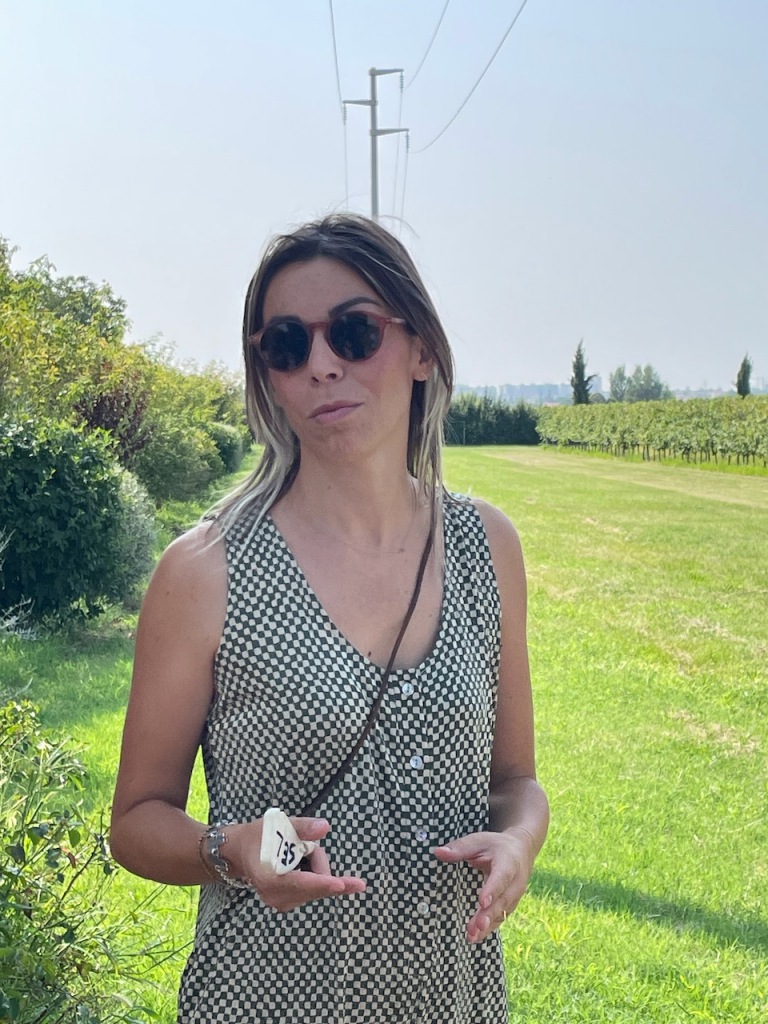
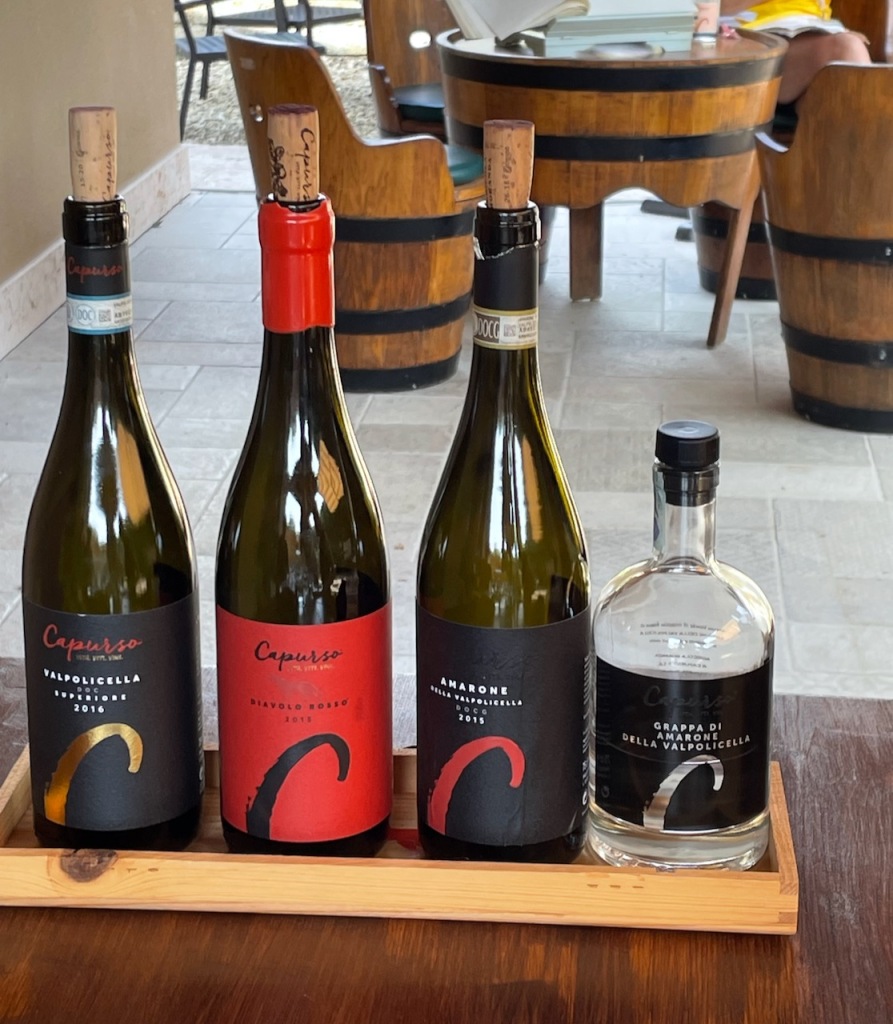
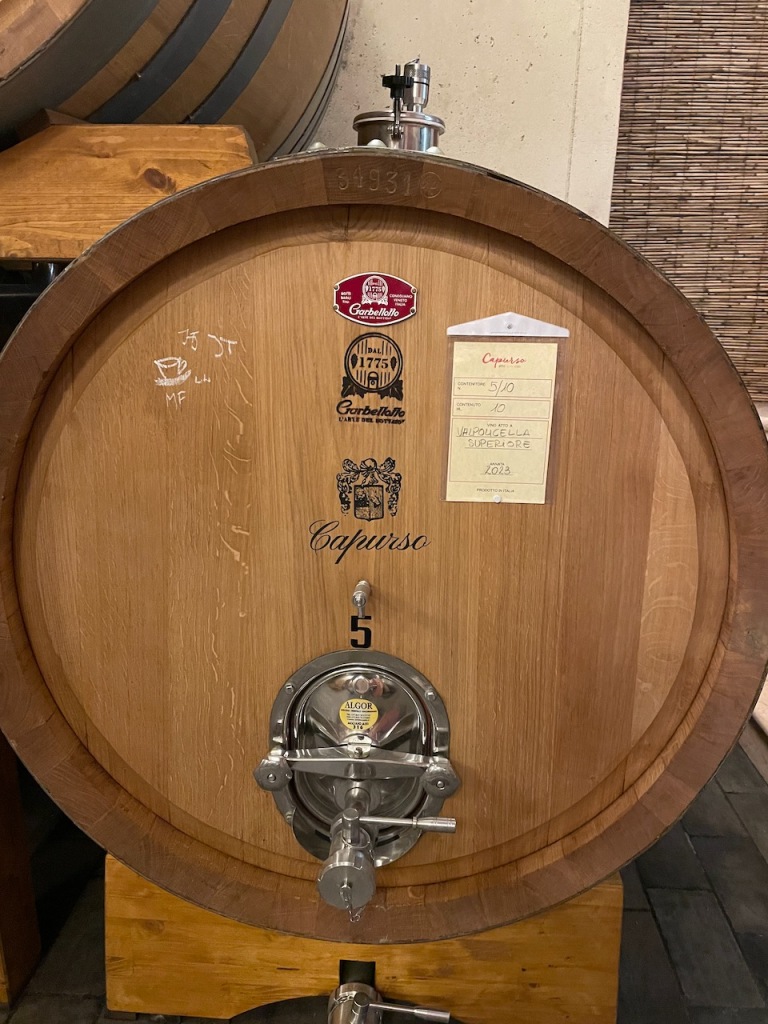
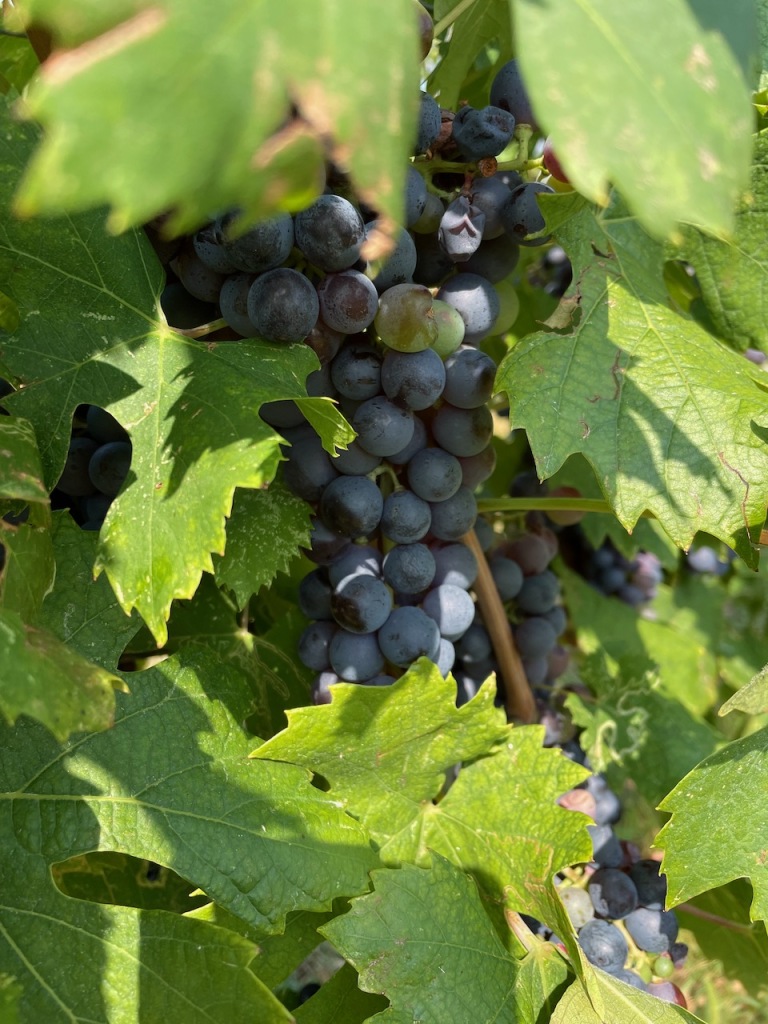
Verona’s vineyards are part of one of Italy’s most esteemed wine regions, celebrated for their diverse range of high-quality wines like Valpolicella (including Amarone), Soave (my new favourite white wine), Bardolino, Custoza, and Lugana. The fertile soil and favorable climate produce everything from robust reds to delicate whites and refreshing rosés. Our guide, Sofia, was a wealth of knowledge, not only about the wines but also about Verona’s rich history. She led us to Capurso Vineyard, a boutique winery where the owner, Selina, treated us to a tasting of their superb Amarone and even some unexpectedly delightful grappa.

The four-hour e-bike tour flew by, leaving us craving more. So much so that we rented e-bikes the following day for a self-guided tour using Itinera’s mobile app, which took us through equally stunning routes, biking near streams and passing by kiwi-trees.

Cooling Off with Granita and Gelato

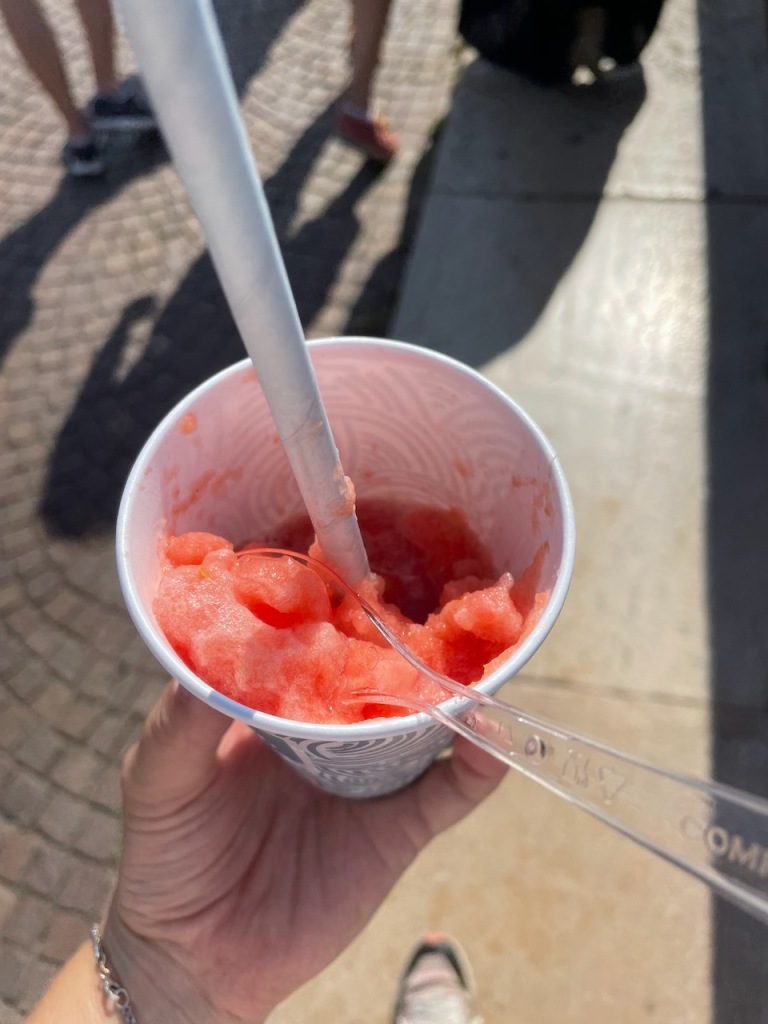
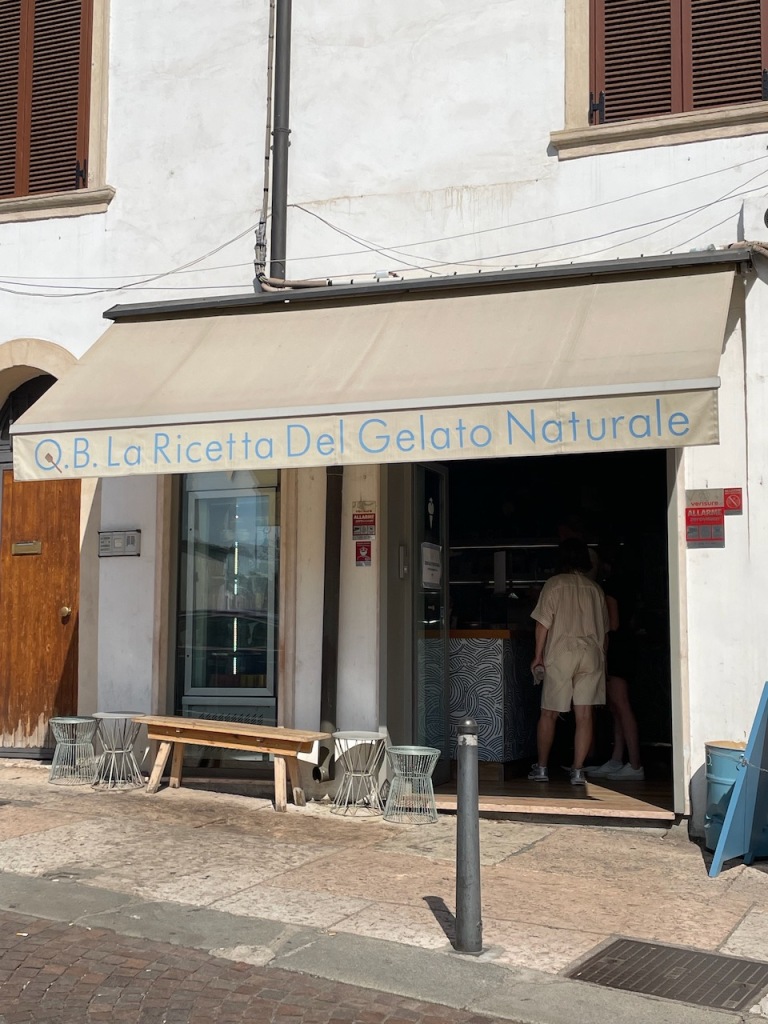
With temperatures hitting 30°C, we relished every chance to cool down with granita and gelato, available on nearly every street corner. Granita, a semi-frozen dessert from Sicily, is lighter than ice cream and a perfect refresher in the heat. Our favorite spot was Q.B. Gelato La Ricetta Del Gelato Naturale on via Santo Stefano, where everything is made with natural ingredients. Do try the watermelon granita—it’s a revelation. (It was so tempting I forgot to take a photo before getting half way through). When you go, don’t miss the possibility to take the Funicular, a small cable car that takes you to the view point San Pietro castel that allows you to view the entire city. Once there, enjoy a local sparkling wine at Re Tederico.

Romeo, Juliet, and That Balcony

Yes, Verona has a balcony that claims ties to Shakespeare’s Romeo and Juliet, but it’s all part of the myth. The house may have inspired the story, but the balcony was added in the 1930s purely for tourism. Still, it’s worth a visit for a quick photo and a moment to appreciate one of the greatest love stories ever told.

Where to eat:

  • Fine foods with a posh atmosphere – Ristorante Vittorio Emanuelle – across the Arena
  • Fine foods with cosy and classic atmosphere – Osteria Ponte Pietra – by the Ponte Pietra bridge
  • Great classics with modern twist – Osteria la Fontanina – don’t miss their limoncello spritz
  • Q.B. Gelato – ask for the watermelon granita.
  • Osteria Caffé Monte Baldo – a wine and tapas bar with great drinks and good winelist
  • Archivio – super small and busy cocktail bar with hand crafted beers
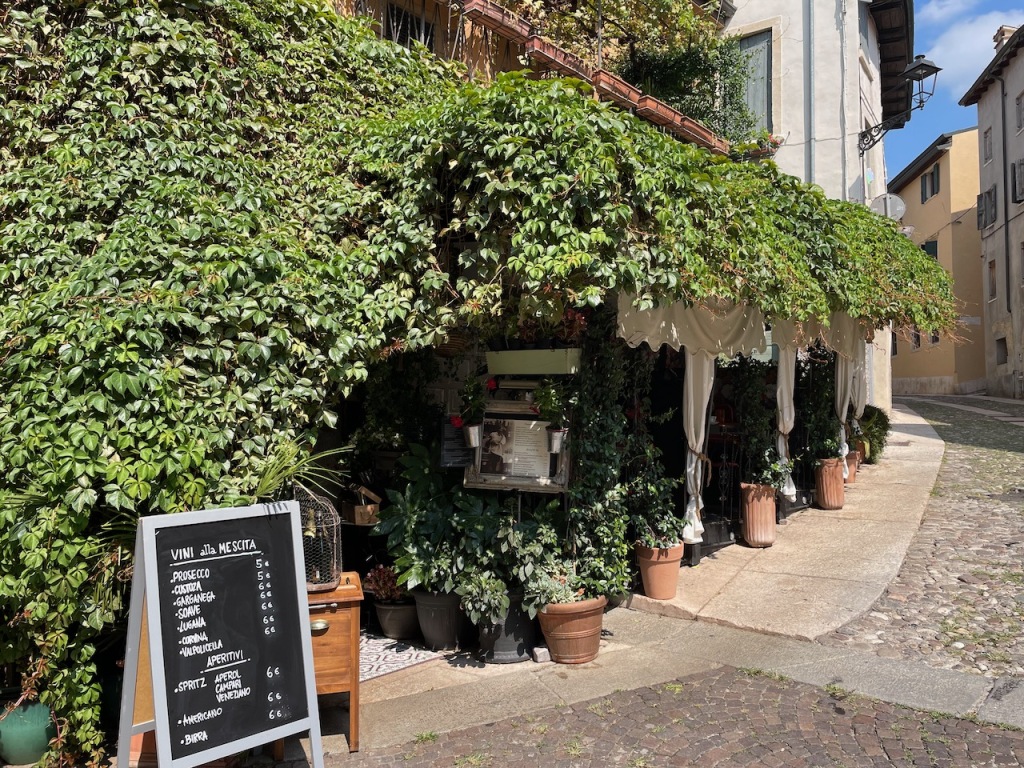
Osteria Ponte Pietra
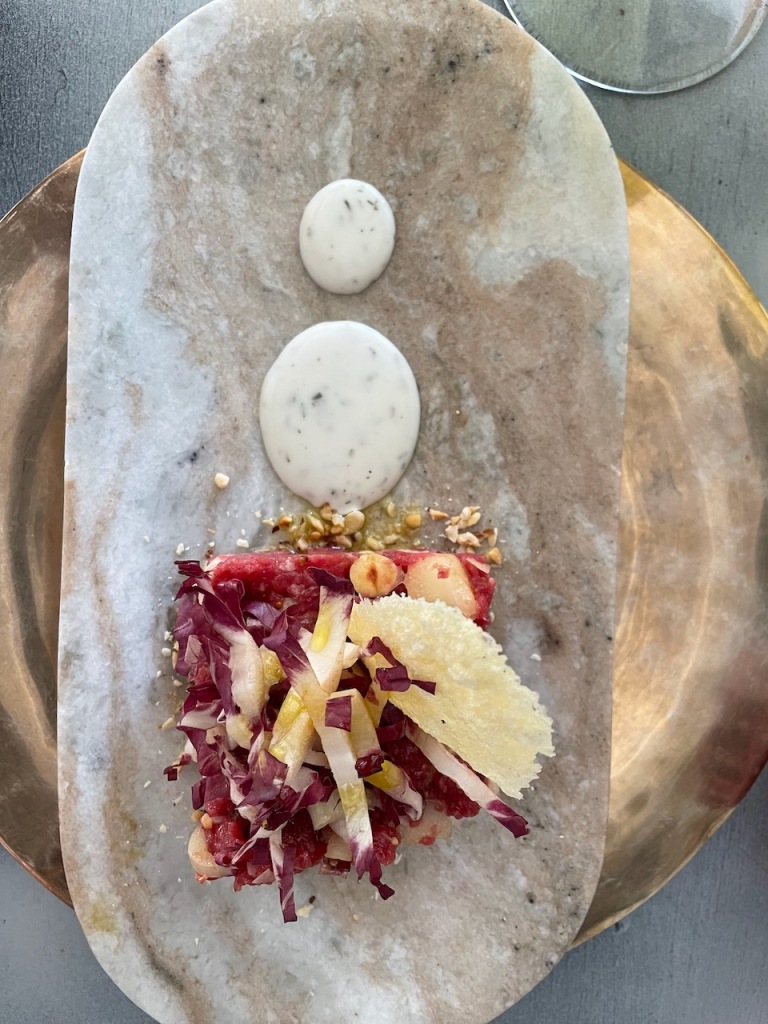
Osteria la Fontanina

This trip was made in August 2024.

Margaretha Finnstedt

The Curated Atlas

Recent Posts

  • Brooklyn – a mixed bag of charm and neglect
  • Franschhoek – gourmet week without breaking the bank
  • A spectacular blend of history and beauty
  • Paris anniversary weekend – an homage to icons
  • Verona vibes – midnight opera and e-biking through the vineyards

Categories

  • Austria
  • City
  • Countryside
  • France
  • Italy
  • South Africa
  • The Curated Atlas
  • Türkiye
  • USA
©2026 The Curated Atlas